Features to Consider Before Buying an Electric Tile Cutting Machine
An electric tile cutting machine helps professionals achieve clean edges, consistent cuts and efficient material preparation across residential and commercial projects. Precision is essential when preparing tiles for flooring, wall cladding and decorative installations. The right equipment can also reduce damaged tiles and minimise the time spent correcting uneven edges.
Choosing suitable equipment requires more than comparing prices. Buyers should consider motor performance, cutting depth, blade compatibility, angle adjustment and the machine’s overall construction. These features influence how effectively the equipment handles different materials and working conditions.
Understanding these specifications before purchasing helps contractors, installers and building material buyers make informed decisions. The aim is to select equipment that meets project requirements, supports consistent workmanship and offers practical value throughout its working life.
- How Does an Electric Tile Cutting Machine Support Precise Installation?
- Types of Electric Tile Cutting Machines
- Key Features to Consider Before Buying
- Choosing Equipment for Different Tile Materials
- How to Choose the Right Machine for Your Project
- Tile Cutting Machine Models to Consider
- What Should Buyers Compare?
- Conclusion
- Frequently Asked Questions
How Does an Electric Tile Cutting Machine Support Precise Installation?
It helps installers prepare tiles for layouts that require clean edges, shaped cuts and consistent finishing. It is particularly useful when a project involves fitting tiles around corners, columns, floor outlets or decorative borders, where inaccurate cuts can affect the overall appearance.
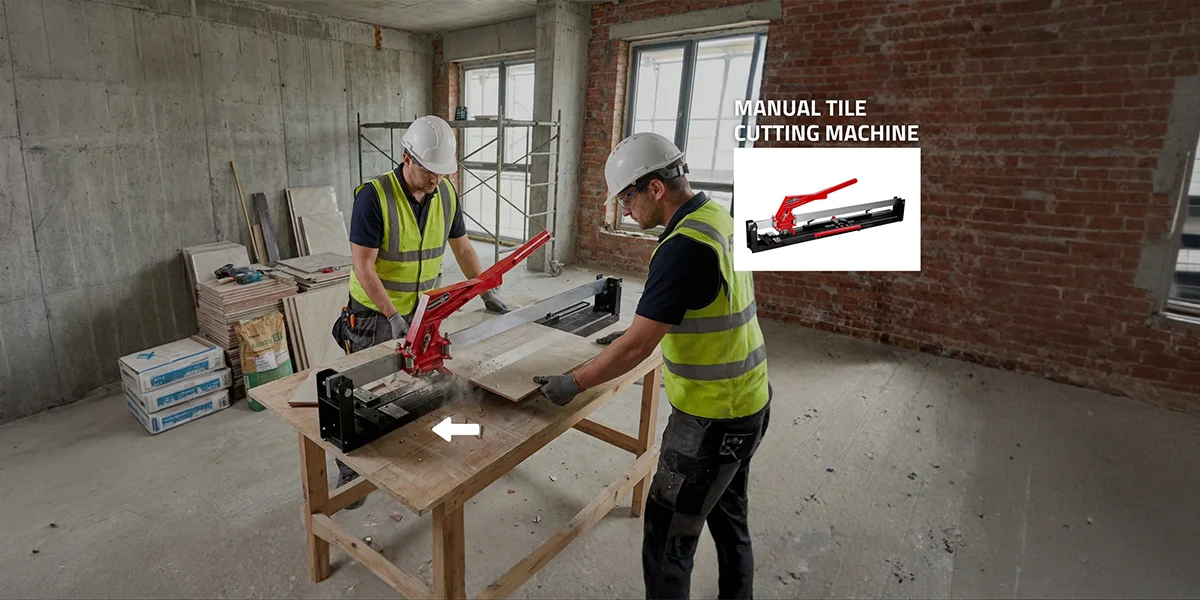
Unlike a manual tile cutter, which is generally suited to straightforward scoring and snapping, powered equipment can accommodate a wider range of cutting tasks, depending on its design and blade. This makes it a practical option for professionals handling detailed tile layouts, varied materials and installation work that demands repeatable results.
Common applications
- Flooring installations: Preparing tiles for room layouts, thresholds and perimeter edges.
- Wall cladding: Cutting pieces to accommodate corners, fittings and architectural details.
- Commercial fit-outs: Supporting repeated cutting tasks during larger installation projects.
- Slab preparation: Processing suitable panels for worktops and decorative surfaces.
The appropriate equipment depends on the material being processed and the type of finish required.
Types of Electric Tile Cutting Machines
Machine design determines how much operator involvement is required and which applications the equipment can support. Understanding these differences helps buyers select a model that suits their workshop or installation team.
Automatic tile cutting machines
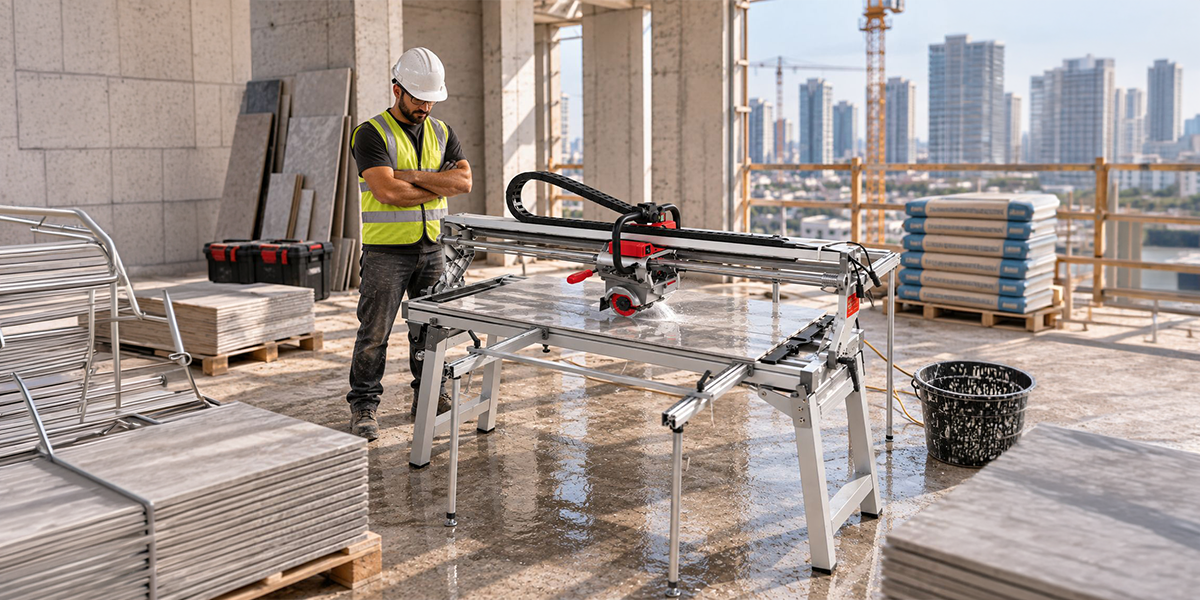
An automatic tile cutting machine is useful for projects involving repeated cuts and consistent production requirements. Depending on the model, automated functions may control the cutting head or material movement, reducing some manual handling. Buyers should confirm which functions are automated rather than assuming every machine offers the same capabilities.
Semi-automatic cutting machines
Semi-automatic models combine powered cutting with manual positioning or operator-controlled movements. They can suit professional installers who require consistent results while retaining direct control over individual cuts. Their suitability depends on the workload, operating method and required level of precision.
Large-format cutting machines
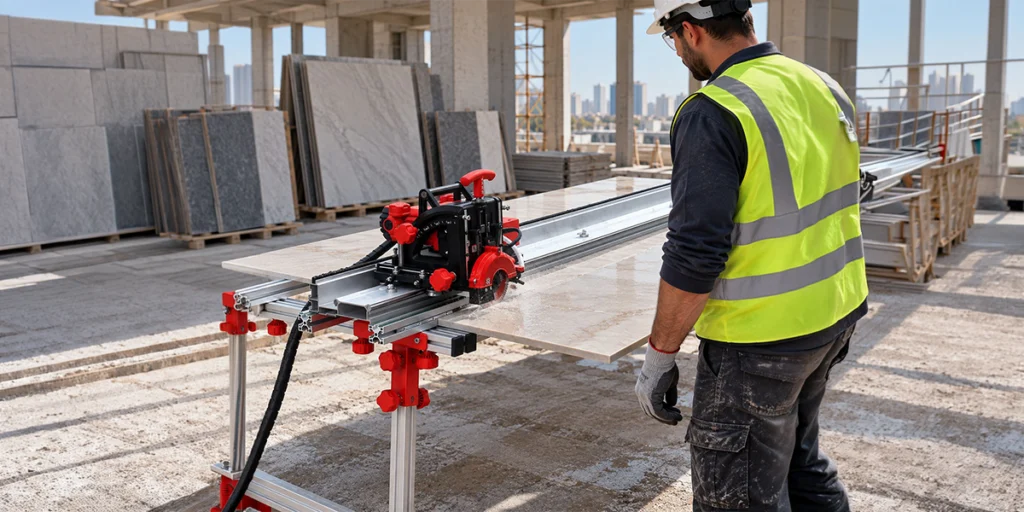
These machines are designed for applications involving oversized tiles and slabs. Stable material support, reliable guides and controlled movement help maintain alignment throughout the cutting process. Buyers should also consider how the equipment will be transported, positioned and stored.
Product specifications from a tile cutter manufacturer can help buyers understand a machine’s intended applications, operating requirements and material compatibility before making a selection.
Key Features to Consider Before Buying
Choose a machine with specifications that match the materials you use and the finish you require. Buyers should evaluate each individual attribute of the product rather than relying on a single rating.
Motor power and performance
Motor power impacts the efficiency of machine operation under the required load. However, higher motor power does not always ensure a more efficient cutting process. Blade quality, material hardness, technique and machine stability play important roles as well.
Before purchasing, consider:
- The motor’s rated power and recommended operating conditions.
- Whether the machine suits occasional work or frequent professional use.
- The availability of compatible blades and replacement components.
These checks help buyers determine whether the equipment is suitable for their expected workload.
Cutting depth and working capacity
Cutting depth determines the material thickness a machine can process under specified conditions. The available cutting path also affects whether the equipment can accommodate the intended work without unnecessary material repositioning.
The buyer must compare the maximum cutting capability of the machine with usual application needs. A machine intended for typical installation tasks might be inappropriate for cutting thick slabs and special fabrications.
Cutting angles and accuracy
Straight cuts are essential for standard installations, while bevelled edges may be required for external corners, feature walls and selected countertop applications. Equipment with adjustable cutting angles can support a wider range of finishing requirements.
Look for secure guides, stable material support and reliable adjustment mechanisms. These features help operators maintain alignment and achieve consistent edges when the machine is used correctly.
Water-cooling arrangements
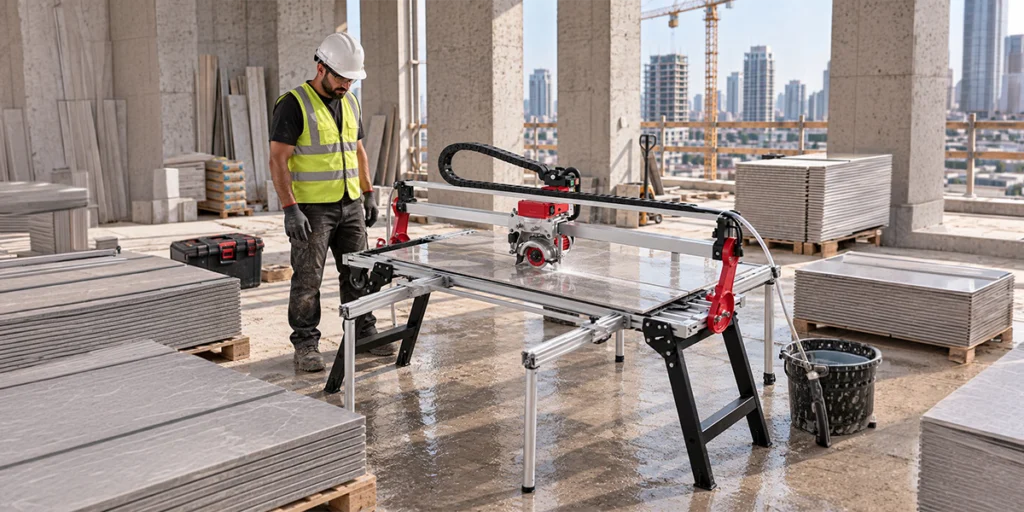
For equipment designed for wet cutting, water helps cool the blade and manage dust generated during operation. A suitable water-delivery system can also help maintain cutting performance and keep the working area cleaner.
Pump performance, water flow, and ease of cleaning should be checked. Users should always follow the manufacturer’s instructions and electrical safety precautions when operating water-cooled equipment.
Choosing Equipment for Different Tile Materials
Tile hardness and surface composition determine the blade type and cutting method required for a clean finish. Matching the blade to the material helps reduce chipping, prevent edge damage and maintain cutting accuracy.
Ceramic tiles
Ceramic tiles can generally be cut using suitable blades designed for their composition. For clean edges, choose a blade that matches the tile material and use a cutting method appropriate for the required finish.
Porcelain tiles
Porcelain is denser than many standard ceramic tiles and may require a specialised blade to achieve controlled cuts. A porcelain tile cutter should be compatible with the tile’s hardness and thickness to help minimise chipping and surface damage.
Before purchasing, check the manufacturer’s recommendations for blade selection and cutting porcelain. Using the correct blade is particularly important when precise edges are required.
Large-format surfaces
Large-format tiles require blades and cutting systems capable of maintaining a consistent cutting line across the material. Suitable blade selection helps reduce edge chipping and supports accurate cuts along longer surfaces.
For these tiles, check the machine’s cutting capacity and compatibility with the required blade type to ensure it can handle the material effectively.
How to Choose the Right Machine for Your Project
Start by identifying the tasks the equipment will perform most frequently. A residential renovation involving standard ceramic tiles has different requirements from a commercial fit-out involving repeated cuts on dense porcelain.
A practical purchasing checklist
- Project requirements: Identify the materials, cutting methods and finish required for upcoming work.
- Material compatibility: Check the manufacturer’s guidance for the tiles or slabs being processed.
- Operating environment: Assess the available workspace, power supply and water arrangements.
- Workload: Determine whether manual positioning or automated functions would suit daily operations.
- Maintenance: Consider blade replacement, cleaning requirements, spare parts and warranty conditions.
Portable machines that can be easily installed are important for those workers who travel from one site to another. A workshop that uses materials throughout the day may find it useful to have a more durable machine with adequate controls.
When evaluating electric tile cutters, buyers should assess the overall setup required to operate the equipment. The proper equipment will not only ensure easy working but also eliminate any complications.
When evaluating options, a tile cutting machines supplier UAE can help buyers review available models, understand product specifications and identify suitable equipment for their projects. Checking warranty terms and replacement part availability can also support a more informed purchasing decision.
Tile Cutting Machine Models to Consider
Different machines offer different capabilities when it comes to professional installation and slab preparation. Individuals should compare different machines on the basis of their use.
Models to explore
- Electric Tile Cutter Automatic Machine: An option to consider for projects involving large-format slabs and repeated cutting operations.
- Electrical Tile Cutting Machine / 9510: A powered model to evaluate for professional cutting tasks that require controlled operation and angle adjustment.
- Light Weight Large Plate Cutting Machine / 9601: Worth considering for projects where handling large panels and maintaining a practical working setup are important.
Review the product specifications carefully before making a purchase. This will help to make sure that the machine you choose meets the needs of the application you want.
What Should Buyers Compare?
When researching tile cutting machines UAE, review the available machine types, cutting capabilities and suitability for the intended materials. Buyers should also check replacement component availability and the manufacturer’s maintenance recommendations.
Information from tile cutting machine manufacturers UAE can help buyers understand technical requirements and compare the features of different models. Reviewing this information alongside warranty terms and after-sales support can make the selection process more straightforward.
Conclusion
Selecting a suitable electric tile cutting machine requires careful consideration of motor performance, cutting accuracy, material compatibility and operating requirements. Buyers must also consider their maintenance requirements, space constraints and how often the product will be used. Comparing these factors helps buyers choose equipment that supports high-quality workmanship.
For product information and assistance in selecting suitable tile cutting equipment, Snowden World can help you explore options for your project.
Frequently Asked Questions
What is an electric tile cutting machine used for?
It is used to cut suitable tiles and slabs for flooring, wall installations and other tiling applications. Depending on its design, the equipment may also support bevel cutting and specialised finishing tasks.
How can I maintain cutting equipment properly?
Clean the machine after use, inspect the blade regularly and remove material residue from the working area. Follow the manufacturer’s maintenance schedule and replace worn components when necessary.
What safety precautions should operators follow?
Operators should wear protective equipment, secure tiles properly and follow the manufacturer’s instructions. Check electrical connections, guards and water-cooling systems before use.