PVC extrusion profiles have become an integral part of modern construction and industry. Being tough, yet flexible and affordable, they are extensively used in construction works, interiors, and industrial applications. From door and window frames to wall claddings and trims, these profiles ensure long-lasting, reliable performance with minimal maintenance needs.
What Are PVC Extrusion Profiles
These profiles are formed by extrusion, which is a method of taking hot polyvinyl chloride (PVC) and forcing it through a formed die to produce a continuous length of one piece section. After cooling, the finished product is rigid, tough, and accurately formed piece ready to be used in application.
The process of extrusion allows for customization of the shape, size, and color, and thus PVC is a highly adaptable material. Builders, manufacturers, and designers utilize it due to its wear-resistance, affordability, and flexibility.
Why These Profiles Are So Popular
The reason for the popularity of PVC extrusion profiles is that they possess an ideal combination of strength, lightness, and handling ease. They do not rust or corrode like metals and are not destroyed by moisture or insects, unlike wood.
Their general applications include:
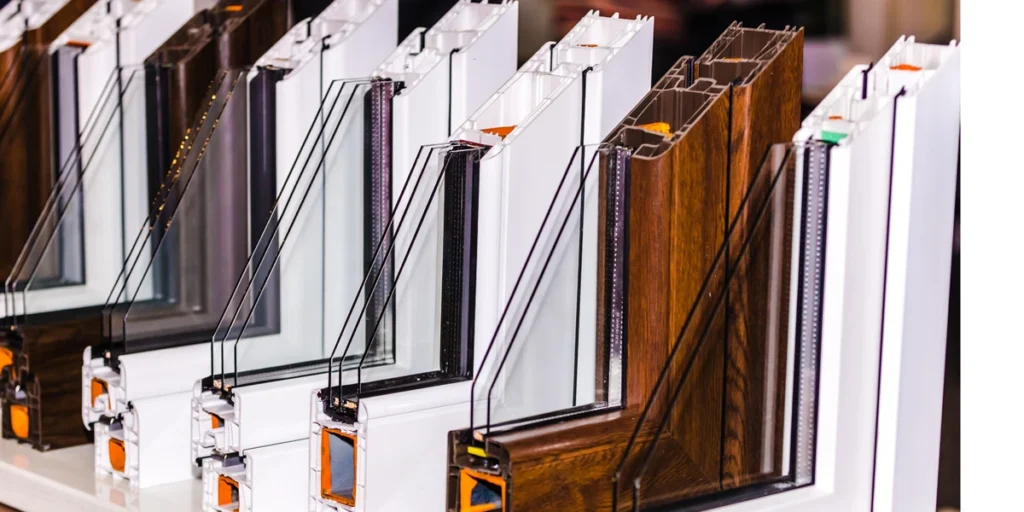
- Frames of PVC window profiles and PVC door profiles
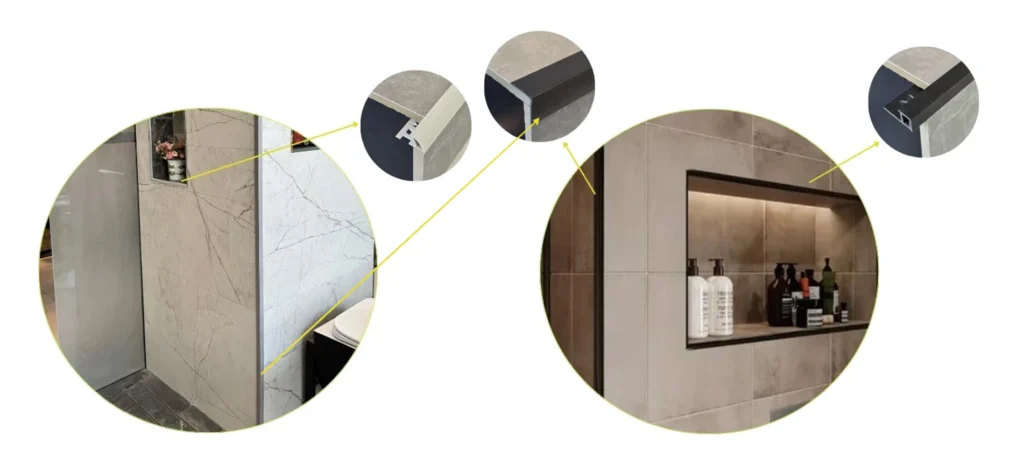
- Wall protection and cladding using PVC wall profiles
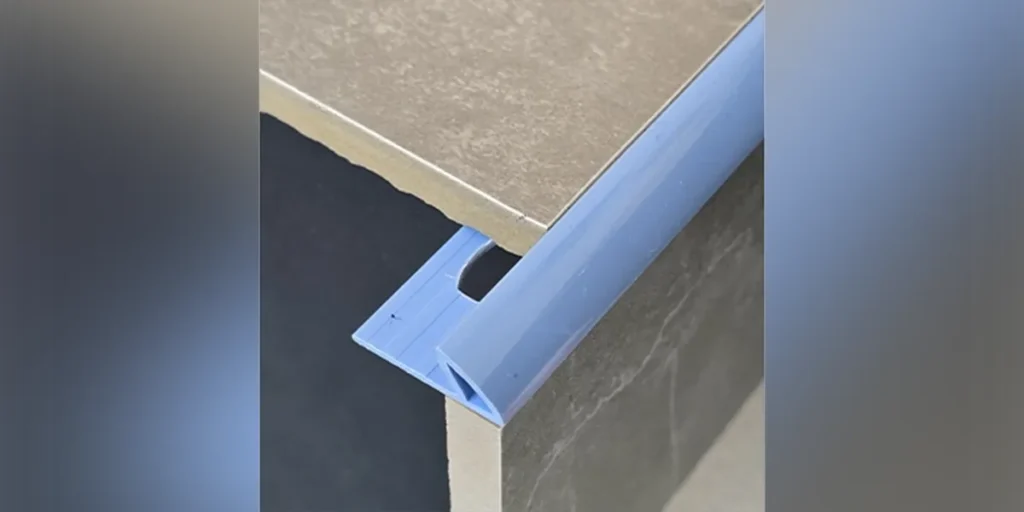
- Trim edges, cable covers, and partitions
- Support for modular furniture and interior systems
Their versatility and sheer abundance make them one of the most dependable materials to be used indoors and outdoors.
Types of PVC Extrusion Profiles
These profiles have many uses; from general construction and design to specific industrial applications. Overall, these can be broken down into:
Rigid PVC Profiles: Strong, durable, and perfect for window, door, and wall systems.
Flexible PVC profiles serve for seals, cable insulation, and soft edges in general, where flexibility is required.
Foamed PVC Profiles: Lightweight and suitable for internal decorative trims, cladding, and signage.
Co-extruded PVC Profiles : Made by combining two layers of materials or colors during extrusion for added strength or visual appeal.
These variations are adaptable in several sectors because the right balance of function and appearance is ensured.
Advantages of PVC Extrusion Profiles
- Resistance to Toughness and Peeling
PVC is naturally water-proof, humidity-resistant, and withstands severe climatic conditions. It does not peel or crack and resists aging. Rigid PVC profiles are particularly renowned for being hard-wearing with high usage and dynamic settings.
- Lightweight and Simple Installation
Because of their light weight, such profiles are easy to carry and fit. Construction is thus time-saving and reduces the labor cost compared to traditional materials like wood or steel.
- Cost Saving and Low Maintenance
PVC products are low-maintenance. They are easy to clean by simply wiping with a damp cloth. Over time, this reduces maintenance expenses such as painting and repairs, hence making them cost-saving.
- Customization and Aesthetic Appeal
The extrusion process allows for personalized shape and finish. Smooth, textured, or colored, these profiles integrate perfectly into any theme of design. Modern architecture as well as heritage spaces are accommodating to them.
- Eco-Friendly
PVC profile manufacturers also produce recyclable profiles today that reduce environmental wastage. Since it is reprocessable, PVC facilitates environmentally friendly building processes.
Application Across Sectors
Applications of these profiles cross sectors beyond buildings.
- Construction and Architecture
In residential and commercial buildings, PVC window profiles and PVC door profiles are the first choice for their insulation, strength, and elegant appearances. They provide noise reduction, energy efficiency, and an appealing finish on surfaces.
- Interior Decoration
PVC wall profiles are utilized in interior design applications for paneling, ceilings, and partitions. PVC wall profiles come in various colors and textures, providing a modern look while also protecting the underlying structure from harm or damp conditions.
- Industrial and Electrical Uses
PVC is an insulator and therefore extensively used for electrical cable management and equipment enclosures. It provides protection and support without adding too much weight.
- Modular Systems and Furniture
The furniture industry relies on these profiles for panel supports, edges, and frames. They deliver product longevity with a clean look.
How PVC Extrusion Profiles Are Produced:
The process behind these profiles is precise and fast.
Material Preparation: Raw PVC is mixed with additives, pigments, and stabilizers.
Extrusion: The blend is melted and pushed through a specially designed die.
Cooling: The newly formed profile is cooled and hardened to maintain its shape.
Cutting and Finishing: It’s subsequently cut to specified lengths and inspected for quality.
This method ensures uniform results, with the profiles capable of delivering high performance and design specifications.
Choosing the Right Supplier
Choosing the right PVC profile supplier is crucial to ensuring quality and long life. Find suppliers who supply certified, UV-resistant materials with documentation and testing.
Important points to remember:
- High-quality raw material usage
- Potential for customization and color matching
- Technical assistance and delivery time
- Impact and weather tests for the product
Quality suppliers make sure the profiles meet international standards and run well across different conditions.
Maintenance Tips
PVC profile maintenance is simple:
- Regularly clean with mild soap and water.
- Do not apply strong chemicals or sharp objects that may scratch the surface.
- While using windows or doors, inspect seals from time to time for proper tightness.
- Protect from direct flame or extreme heat to prevent damage.
These profiles will last for decades without losing their shape or color with proper maintenance.
The Future of PVC Profiles
New manufacturing technologies have made these profiles even more flexible and energy-efficient. Developments like co-extrusion (combining layers of materials) and digital print are revolutionizing design.
Since the world has moved toward sustainable building materials, PVC remains one of the most practical, sustainable, and economical options available.
Conclusion
All in all, PVC extrusion profiles provide durability, diversity, and design flexibility that materials may find difficult to provide. Whether used in construction, interior finishing, or industrial applications, they both deliver long-term value and beauty. When sourced from trusted suppliers, such profiles deliver the best balance of performance, economy, and sustainability.
Frequently Asked Questions (FAQs)
For what purpose are PVC extrusion profiles largely used?
They are used in furniture, doors, windows, and walls for durability, protection, and beauty.
Are PVC profiles environmentally friendly?
Yes, many are recyclable and made using eco-friendly production methods.
How do I find an appropriate PVC profile supplier?
Find one with a quality certificate, excellent service, and the ability to customize products to your needs.