
Manual Tile Cutting Machine: How to Reduce Tile Waste During Residential Renovation Projects
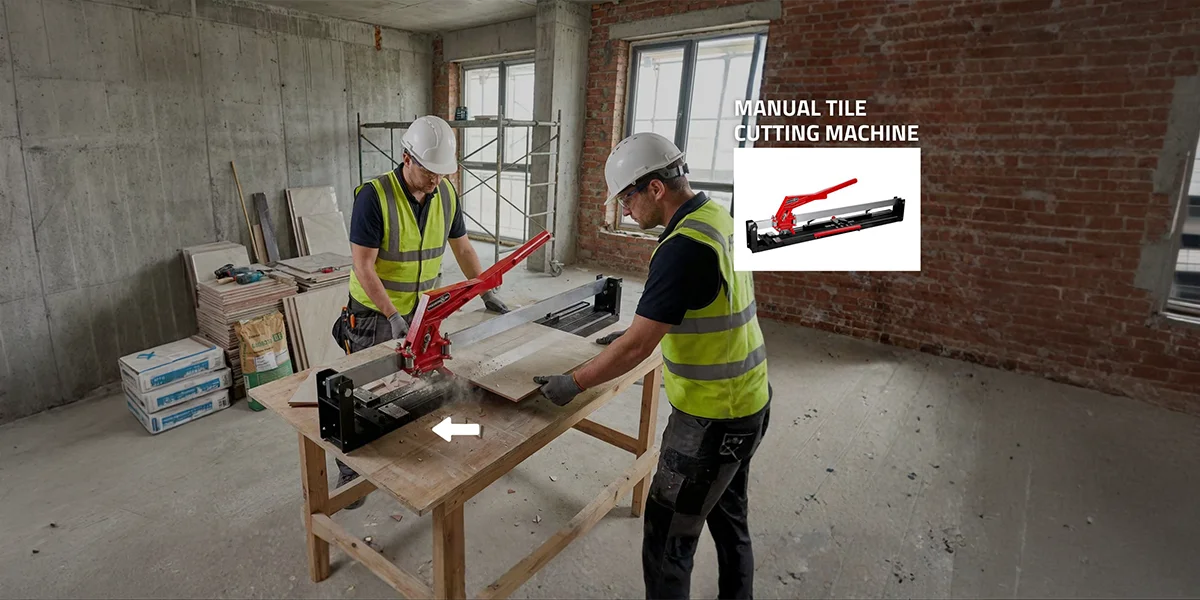
Manual tile cutting machine planning can play a direct role in reducing tile waste during residential renovation projects. Waste falls when each tile is planned around actual room dimensions and avoidable breakage is reduced. When cutting follows the layout, more purchased material can reach the finished surface.
- Tile Cutting Machine: Start With a Tile-Saving Layout
- Measure Cut Areas Before Ordering Extra Tiles
- Manual Tile Cutting Machine: Make Off-Cuts Part of the Plan
- Reduce Breakage Through Better Cut Sequencing
- Work With Suppliers Who Understand Material Requirements
- Plan Difficult Areas Before They Become Waste
- Conclusion
- Frequently Asked Questions
Tile Cutting Machine: Start With a Tile-Saving Layout
A renovation layout should be prepared before boxes are opened and cuts begin. Measure walls, floor areas, doorways, recesses and fixed fittings, then map where full tiles and cut pieces should sit.
- Group similar cut sizes.
- Mark corners, niches and narrow strips before ordering.
- Keep usable off-cuts for suitable locations.
This makes the manual cutting machine part of a controlled installation sequence, not a solution for last-minute mistakes.
Measure Cut Areas Before Ordering Extra Tiles
Buying extra material is sensible, but excessive over-ordering can hide poor planning. Different room layouts require different waste allowances.
Record full tiles, edge pieces and special cuts for each room. Compare similar dimensions to see whether one off-cut can serve another location.
Plan Measurements Before Cutting
Accurate measurements help reduce unnecessary cuts and make material calculations more reliable. Check dimensions more than once, especially around corners, doorways and fixed fittings.
Manual Tile Cutting Machine: Make Off-Cuts Part of the Plan
Off-cuts are not automatically wasted. A piece trimmed around a doorway may fit behind a cabinet or in another small section.
- Label useful off-cuts by length and width.
- Store them flat to prevent damage.
- Match saved pieces to future cuts first.
Strategic reuse reduces the number of fresh tiles needed later. The best manual tile cutter should support predictable cuts that make usable remnants easier to retain.
Organise Reusable Tile Pieces
Keep suitable remnants together rather than mixing them with damaged pieces. Simple labels can make it easier to identify which pieces are available when another small cut is required.
Reduce Breakage Through Better Cut Sequencing
Cutting should follow the installation sequence when several tiles require similar dimensions. Accurate batches reduce handling and reveal errors early.
For similar edge pieces, measure once and use a consistent reference point. Avoid rushing final cuts when fatigue can cause scoring errors.
Choose Equipment According to the Renovation’s Actual Requirements
Equipment selection should reflect tile size, thickness, cut volume and working conditions. A machine suited to a small bathroom may not be efficient for several rooms.
When choosing a tile cutting machines supplier UAE, consider the machine’s capacity, adjustment features, spare parts availability and compatibility with the tile material. Choose suitable equipment rather than simply the most elaborate option.
Protect Tiles Before and During Cutting
Tile waste can occur before cutting. Poor stacking, careless movement and unsuitable storage can cause chips or cracks.
Protect boxes from impact and avoid dragging tiles across rough surfaces. Separate damaged tiles before measuring.
Improve Accuracy When Repeating Similar Cuts
Repeated cuts can control waste because one accurate measurement can be applied consistently. Check the first piece against its intended position before continuing.
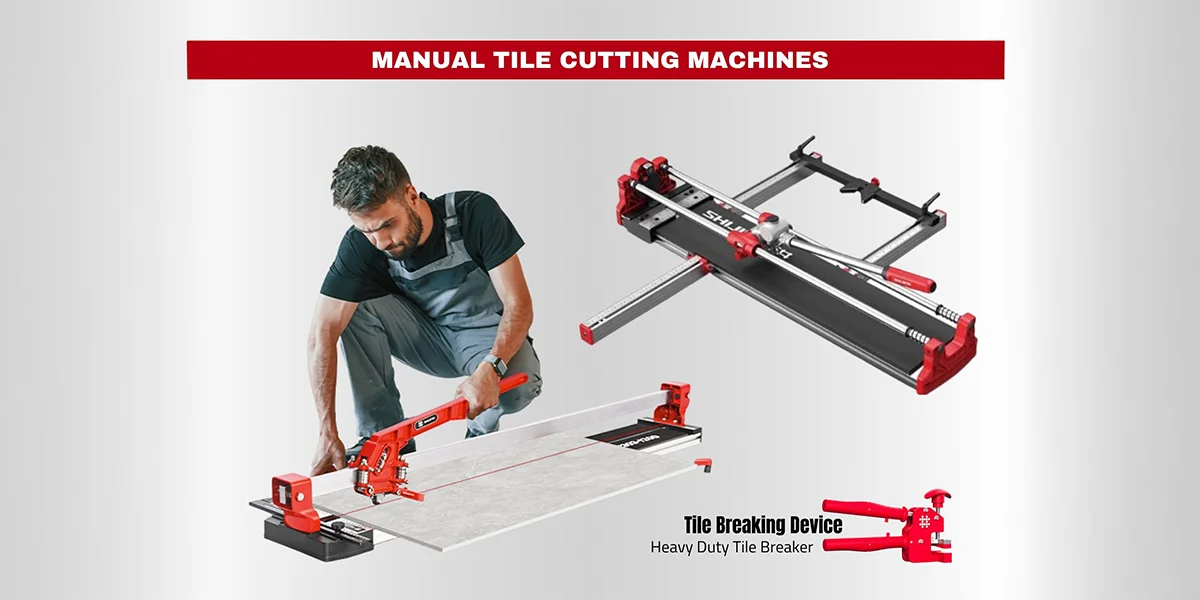
A manual machine can support this process when settings suit the material. An automatic tile cutting machine may suit high-volume work, but waste patterns should guide the decision.
Work With Suppliers Who Understand Material Requirements
Supplier advice can influence waste when specifications or equipment are unsuitable. Before purchasing, provide details about tile dimensions, thickness, finish and approximate cutting workload.
A reliable tile cutter supplier should explain whether the available equipment matches the material and cutting requirements. This can help prevent purchasing equipment that is unsuitable for the renovation project.
When comparing tile cutting machine manufacturers, look beyond the initial machine price. Consider product quality, technical support, replacement components and after-sales assistance to make a more informed choice.
Keep a Simple Waste Record During the Project
Tracking waste during renovation shows where material is being lost. Record broken tiles, unusable off-cuts and measurement mistakes as each room progresses.
- Note the reason for each damaged tile.
- Separate installation mistakes from material defects.
- Compare actual waste with the allowance planned at the beginning.
When evaluating tile cutter suppliers UAE, consider factors such as waste reduction, equipment suitability and long-term value rather than focusing on price alone.
Plan Difficult Areas Before They Become Waste
Corners, thresholds, narrow returns, pillars and areas around fittings often produce awkward cuts. Identify these locations during layout planning before material is consumed.
Without a clear template, several tiles may be sacrificed while achieving a difficult fit. A marked template makes the final cut more deliberate.
Review Waste at the End of Each Room
A room-by-room review reveals patterns hidden by treating the renovation as one project. If one room creates more waste, check geometry, measurements or equipment.
For buyers comparing tile cutting machines UAE, this review provides a practical basis for future equipment decisions. This helps teams refine future renovation planning and procurement decisions.
Conclusion
Reducing tile waste during residential renovation projects requires more than careful cutting. It depends on layout planning, off-cut reuse, cut sequencing, material protection and reviewing every damaged tile. A manual tile cutting machine becomes more valuable when these decisions are made before cutting begins.
A reliable tile cutter manufacturer can also contribute to waste reduction by designing equipment around consistent cutting performance and practical job-site use. Choosing equipment with appropriate cutting capacity and dependable adjustment mechanisms can make repeated renovation work more predictable, helping teams avoid unnecessary material loss caused by unsuitable equipment.
For enquiries and product guidance, Snowden World can assist with suitable tile-cutting equipment based on your project requirements, tile specifications and cutting needs.
Frequently Asked Questions
Can a manual tile cutting machine help reduce tile waste during renovation?
Yes. It can reduce waste when measurements, layout planning and cutting sequences are controlled. Accurate scoring and breaking help prevent avoidable losses.
How can off-cuts be reused during a renovation?
Usable pieces can be reserved for small edges or areas needing shorter pieces. Record their dimensions before cutting a new tile.
What is the best way to identify the main causes of tile waste?
Track damaged tiles by cause. Separating measurement mistakes, breakage, handling damage and defects reveals recurring problems.