Aluminium Profile Manufacturer in UAE: How Can Custom Profiles Support Project-Specific Designs?
An aluminium profile manufacturer in UAE can develop custom sections around the specific dimensions, interfaces and installation requirements of a project. While standard profiles are suitable for many common applications, they may not always accommodate unusual measurements or specialised connection details. Custom extrusion provides greater flexibility by allowing the profile to be developed according to the intended application.
Every project has its own design considerations, from the way components connect to how they align within the finished assembly. By working from technical drawings, dimensions and application details, designers can achieve greater control over the profile’s functionality and appearance, particularly across repeated installations.
- Understanding the Project Before Profile Development
- Aluminium Profile Manufacturer in UAE: What Can Be Customised?
- Which Custom Profile Types Can Support Different Applications?
- How Can Custom Profiles Solve Design Constraints?
- How Does Customisation Affect Fabrication and Installation?
- What Should Designers Consider Before Ordering a Custom Section?
- How Can Custom Profiles Improve Design Flexibility?
- Conclusion
- Frequently Asked Questions
Understanding the Project Before Profile Development
Customisation should begin with the intended function of the section rather than its appearance alone. Understanding the aluminium extrusion process can also help designers develop profile geometry that is practical for production.
For projects requiring aluminium profile suppliers in UAE, an early technical assessment can help determine whether a standard section is suitable or a custom extrusion would be more appropriate. Making this decision during the design stage can help reduce modifications later.
Aluminium Profile Manufacturer in UAE: What Can Be Customised?
Custom profiling can involve more than changing the overall width or height of a section. Internal geometry, wall thickness, grooves, channels and fixing features can all be adjusted according to the intended application.
Important elements that can be tailored
- Cross-section: The overall shape can be developed according to the available installation space.
- Wall thickness: This can be considered based on the application and extrusion requirements.
- Fixing features: Grooves, slots and screw channels can be incorporated where required.
- Interfaces: The profile can be shaped to accommodate adjoining materials or components.
- Visible surfaces: External geometry can be developed to achieve a particular architectural appearance.
The appropriate configuration depends on how the section will be used. Aluminium profiles in UAE can serve architectural, commercial and industrial purposes, making application-specific geometry an important part of the design process.
Which Custom Profile Types Can Support Different Applications?
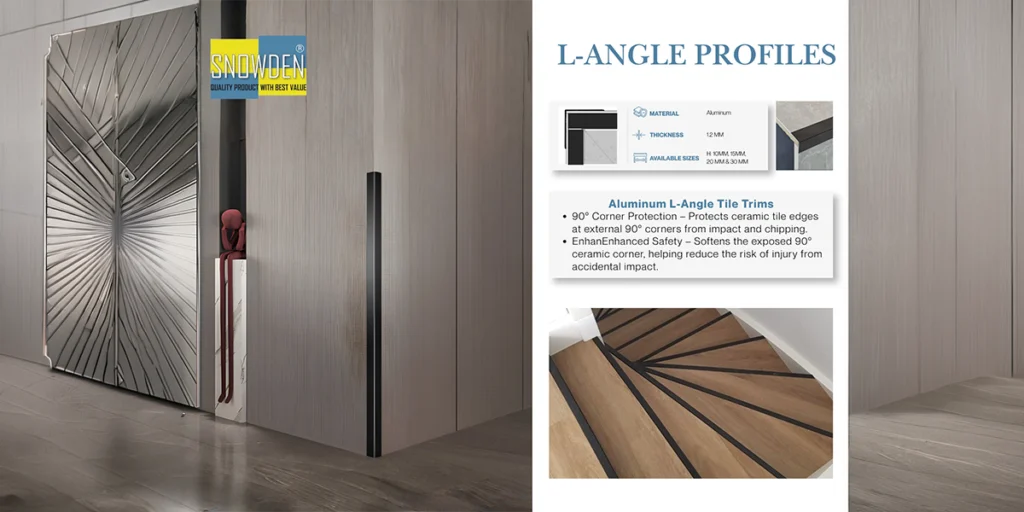
Different applications require different connection and finishing details. Selecting a profile should therefore involve more than comparing its external shape, particularly when the section needs to interact with glass, panels or other building components.
Edge and water-management details
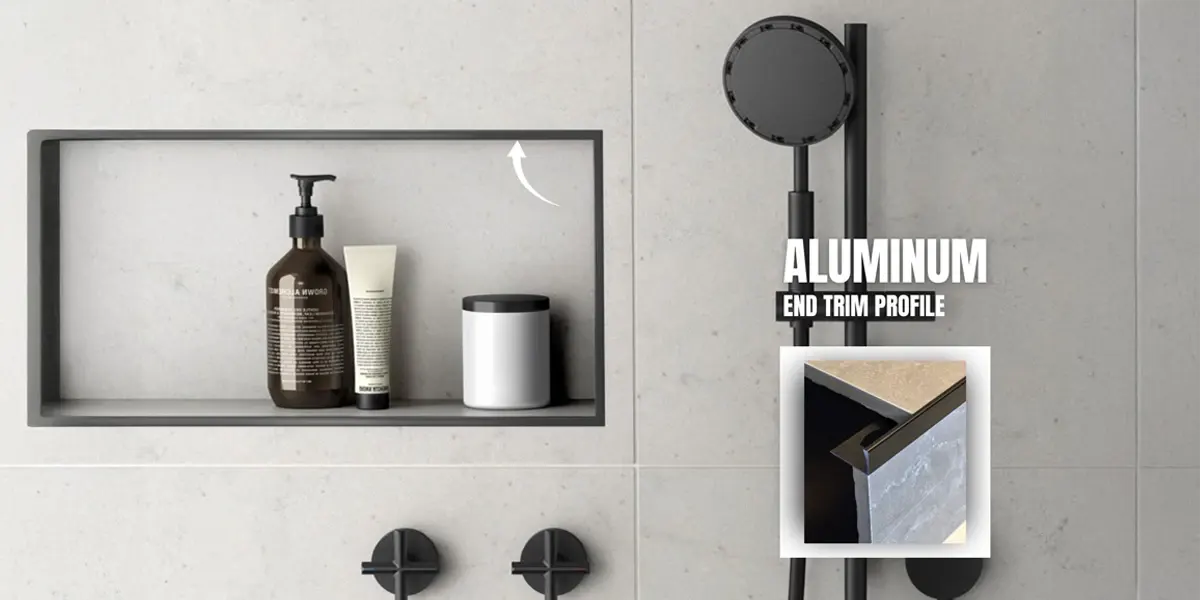
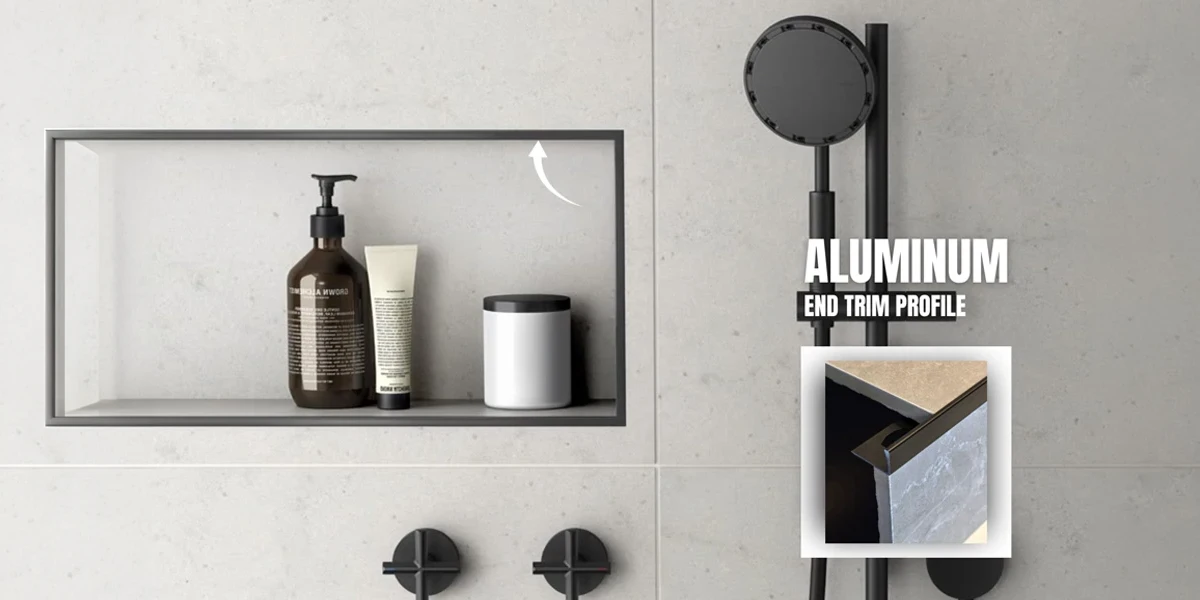
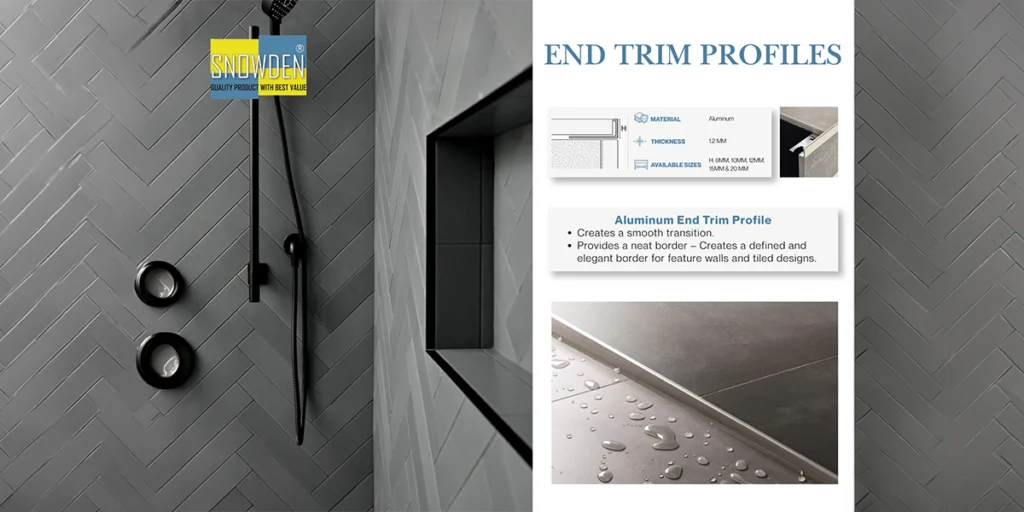
Some external applications require a defined edge that also helps direct water away from a surface. An aluminium drip edge can be incorporated where a clean termination and controlled water run-off are required.
Its dimensions can be developed according to the adjoining surface, fixing arrangement and required overhang. This allows the edge detail to form part of the overall architectural assembly.
Glass and panel integration
Glass installations require accurate positioning and suitable support at the interface with the surrounding structure. An aluminium profile with glass can be developed around glass thickness, gasket placement and the desired sightline.
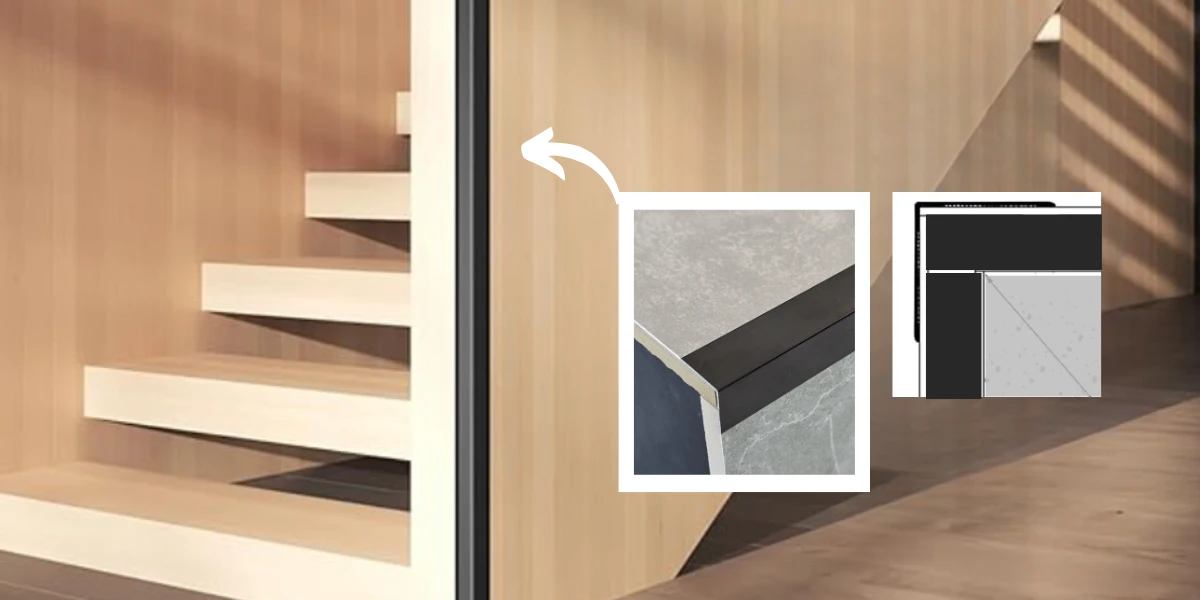
Panel systems may require a different receiving arrangement. Aluminium F-channel profiles can provide a defined channel for panel edges while creating a neat transition between adjoining surfaces.
Framing and enclosure requirements
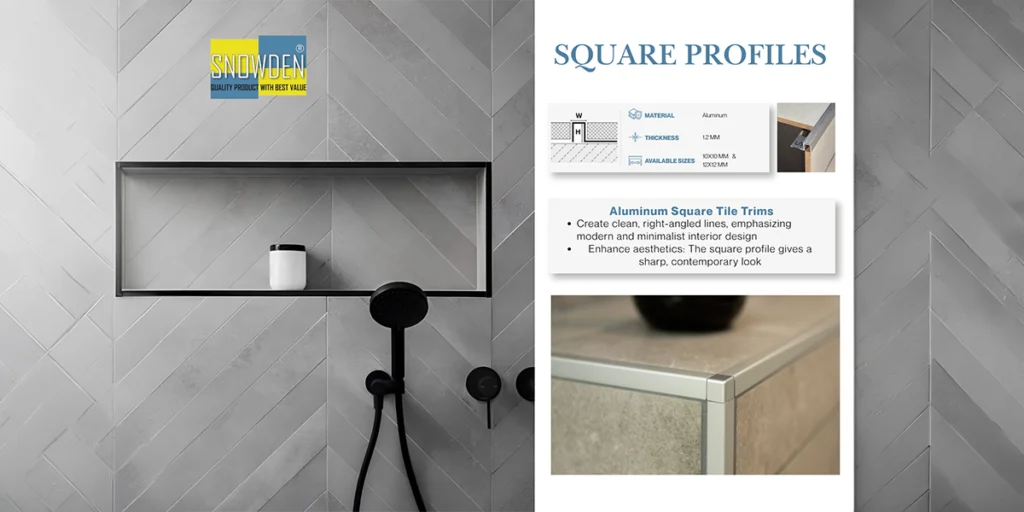
Some assemblies require a uniform section for framing or fabricated structures. Aluminium square profiles can be considered where a consistent geometry is appropriate for the application.
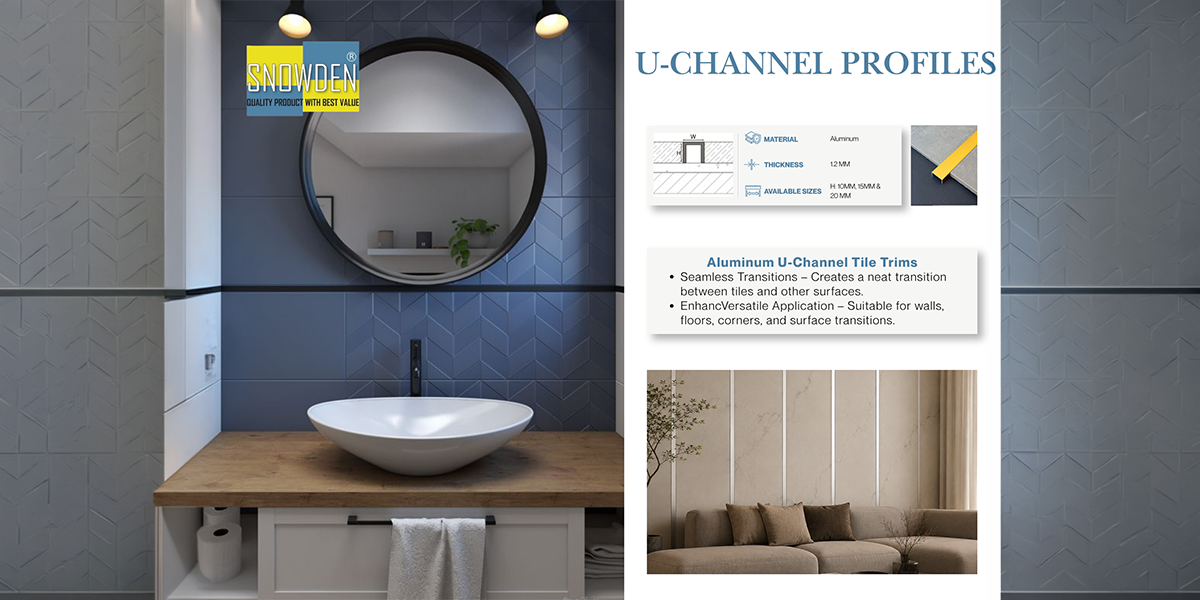
Other designs may require an open receiving section. An aluminium u channel can provide space for sheets, panels or other components, depending on the dimensions and connection method.
Profiles for demanding applications
Applications involving significant structural requirements need a detailed assessment of section geometry and connection arrangements. Structural aluminium profiles can be evaluated according to the intended use, dimensions and fabrication requirements.
The profile should therefore be considered alongside the complete assembly. Its geometry and connection method need to work together with the surrounding components.
How Can Custom Profiles Solve Design Constraints?
A custom section can be useful when the available installation space does not correspond with standard dimensions. Instead of modifying the surrounding assembly to accommodate an existing product, the profile can be developed around the available space.
Common project-specific requirements
- Restricted installation depth
The section may need to fit within a narrow cavity without interfering with surrounding components. - Non-standard connection points
Fixings may need to align with an existing frame, substrate or support structure. - Multiple material interfaces
The profile may need to accommodate glass, panels, seals or other components within one detail. - Consistent architectural lines
Custom geometry can help maintain the intended proportions across repeated installations. - Special finishing requirements
The section can be developed with consideration for surfaces that remain visible after installation.
These considerations become particularly important when the profile forms part of a larger fabricated system. Addressing them early can help establish whether the proposed design is practical for the intended application.
How Does Customisation Affect Fabrication and Installation?
A profile must be practical to manufacture as well as suitable for the final design. Features that appear effective on a drawing may require adjustment if they create difficulties during extrusion, machining, cutting or installation.
Points to review before production
- Check whether the proposed wall thickness is suitable for the extrusion process.
- Review sharp internal corners and highly complex features.
- Confirm dimensional tolerances for areas requiring accurate fitting.
- Identify machining, drilling or cutting required after extrusion.
- Establish the required surface finish before production begins.
A detailed technical drawing can make these discussions more effective. It should identify critical dimensions, section views, connection points and areas where particular accuracy is required.
What Should Designers Consider Before Ordering a Custom Section?
When choosing an aluminium profiles supplier, businesses should look for technical expertise, suitable profile options and the ability to support project-specific requirements. Clear communication at this stage can help ensure that the selected section is appropriate for both the design and installation process.
A practical review checklist
- Define the purpose of the profile.
- Confirm the required cross-section and dimensions.
- Identify adjoining materials and components.
- Mark fixing and connection locations.
- Specify the required surface treatment.
- Review fabrication and installation requirements.
- Approve a drawing or sample before full production where necessary.
These checks can also help teams account for transportation, handling and site installation requirements. Clear specifications create a stronger link between the design, manufacturing and installation stages.
How Can Custom Profiles Improve Design Flexibility?
Custom extrusion gives designers greater freedom when standard sections do not provide the required combination of dimensions and features. A purpose-designed profile may also combine functions that would otherwise require several separate components.
Where custom profiles can be useful
- Bespoke architectural framing
- Special glazing arrangements
- Panel edge detailing
- Concealed fixing systems
- Repeated project-specific components
When choosing an aluminium profiles manufacturer, businesses can consider technical drawing support, extrusion capabilities and experience with application-specific requirements. These factors can help determine whether a manufacturer is equipped to develop a profile around a particular project.
Conclusion
Custom profile development can help project teams address unusual dimensions, specialised interfaces and installation constraints without unnecessarily altering the wider design. The section can be developed around the requirements of the intended application, giving designers greater control over individual components.
The process is most effective when technical requirements are established early. Accurate drawings, dimensions, connection details and finishing specifications provide a clear foundation for evaluating the proposed profile before production.
For businesses seeking project-specific aluminium solutions, working with an aluminium profile manufacturer in UAE can provide the technical support needed to develop profiles that align with specific design and application requirements.
Snowden World can assist with profile requirements, technical considerations and suitable product options.
Frequently Asked Questions
Can an aluminium profile manufacturer design a profile for a completely unique application?
Yes. A custom section can be developed when an existing product does not provide the required dimensions, connections or functional characteristics. The feasibility depends on the proposed geometry and manufacturing requirements.
What information is required before developing a custom section?
Technical drawings, dimensions, intended application, connection details and finishing requirements provide a useful starting point. Information about installation conditions can also help clarify the practical requirements.
Can custom sections combine several design features?
Yes. A single section can incorporate features such as grooves, channels, fixing points or receiving areas. Combining these elements can create a more integrated component when the design is compatible with the manufacturing process.