LED Profiles Manufacturer UAE: How Should Profiles Be Selected for Commercial and Residential Projects?
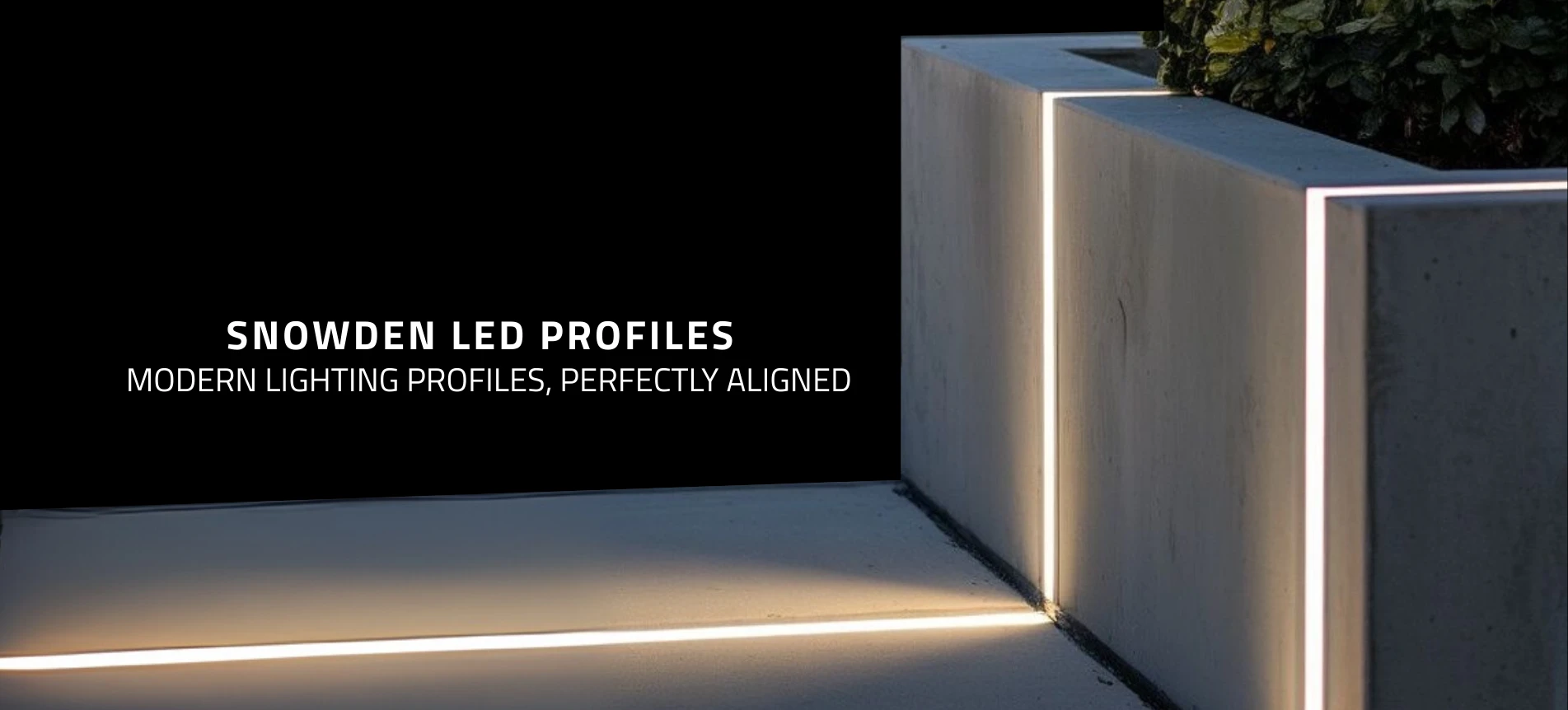
LED profiles manufacturer solutions play an important role in creating clean, integrated linear lighting. A profile can support the strip, improve diffusion, and protect components. Selection requires attention to design intent and installation conditions.
Residential and commercial projects rarely have identical requirements. Homes may need discreet illumination within joinery or ceilings, while offices, retail spaces, and hotels may require longer runs and consistent detailing. Selection should begin with the installation location and maintenance requirements.
- Understanding the Application Before Selection
- How Do LED Profile Requirements Differ Between Residential and Commercial Projects?
- How Do Installation Conditions Influence Profile Selection?
- Creating Architectural Effects With the Right Profile
- Specification and Procurement Considerations
- Making the Final Selection
- Conclusion
- Frequently Asked Questions
Understanding the Application Before Selection
The physical location should be assessed before a product is approved. Ceiling recesses, wall channels, furniture details, display units, staircases, and external features can require different dimensions and mounting arrangements. Checking depth and width early can prevent installation difficulties.
The intended lighting effect also matters. Some applications require a discreet line that blends into the architecture, while others use linear illumination as a visible feature. The diffuser, shape, finish, and position should work together.
How Do LED Profile Requirements Differ Between Residential and Commercial Projects?
The requirements can vary significantly between residential and commercial spaces. A LED profiles manufacturer UAE can help match the profile design to the intended application, whether the project requires discreet integration at home or consistent detailing across a larger commercial space.
Residential Projects
Profiles in homes are often used within kitchens, wardrobes, shelving, ceilings, and decorative features. The selection can focus on creating a subtle lighting detail that complements the interior design.
Commercial Projects
Commercial spaces such as offices, hotels, and retail areas may require consistent profile designs across multiple locations. Standardised specifications can help maintain a uniform appearance throughout the project.
Key Differences to Consider
- Greater flexibility for individual spaces
- Strong focus on interior aesthetics
- Integration with furniture and décor
- Consistent detailing across multiple areas
- Greater emphasis on standardised specifications
- Suitable for larger, repeat installations
How Do Installation Conditions Influence Profile Selection?
Indoor Installation Requirements
Indoor applications are generally protected from direct weather exposure, but conditions can still vary. Kitchens, bathrooms, plant rooms, retail displays, and high-traffic areas may place different demands on the housing. Cleaning routines, heat levels, and physical contact should all be taken into consideration.
Moisture and Protection Considerations
Where lighting may encounter moisture, the enclosure and installation method need closer assessment. A Waterproof LED Profile may be suitable, but the complete lighting assembly should be evaluated rather than treating the housing alone as the solution. Sealing, end caps, cable entry points, and installation quality can influence the result.
Exposed and External Applications
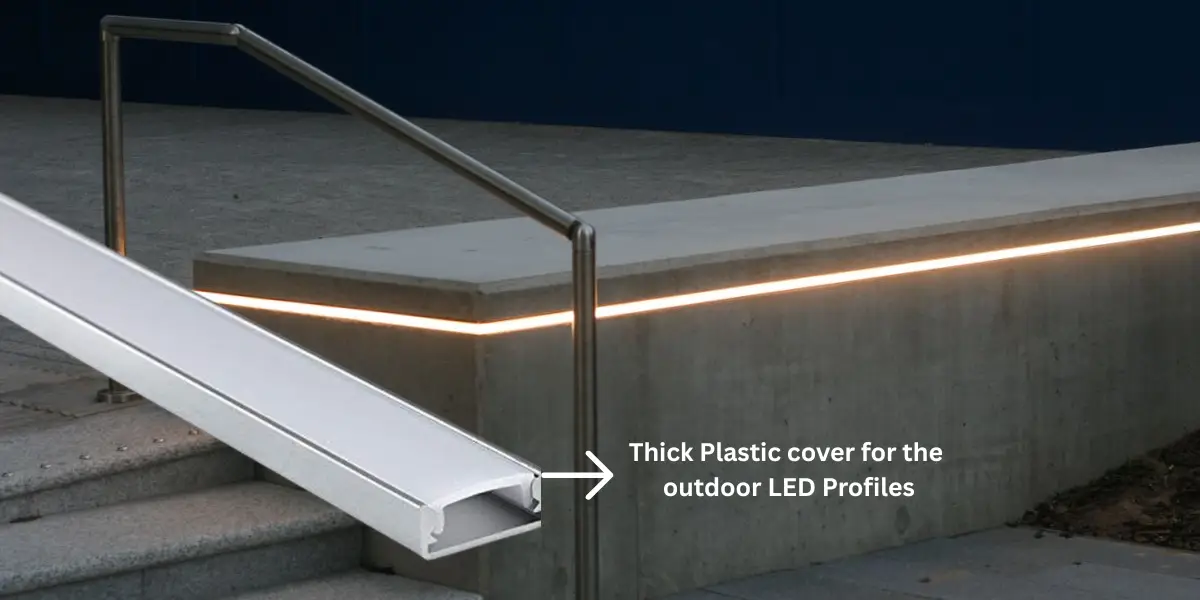
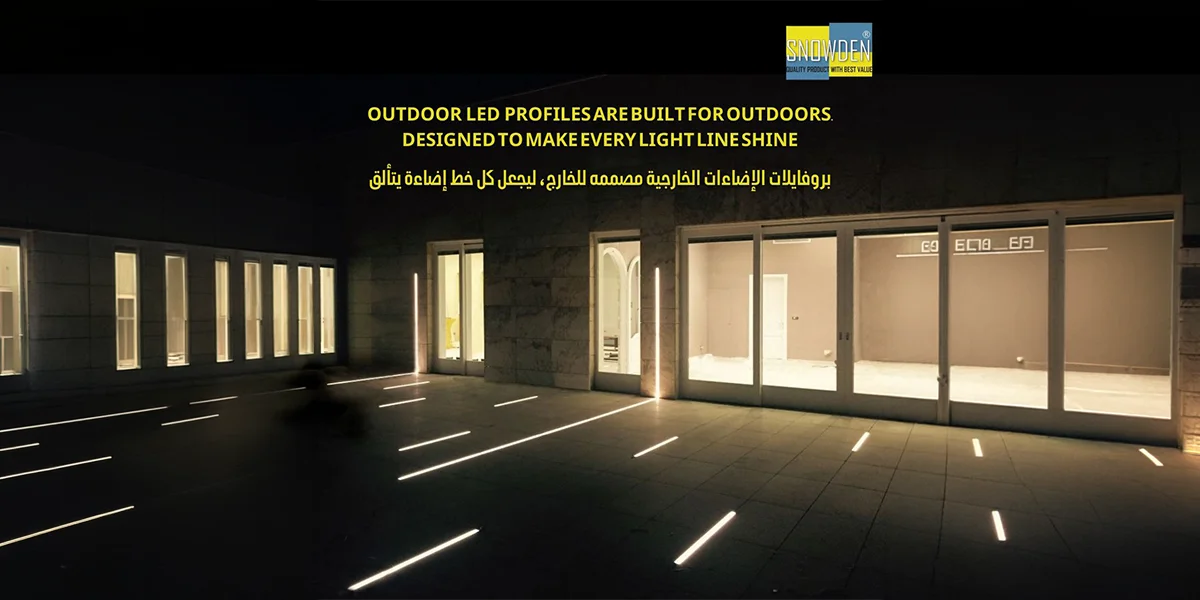
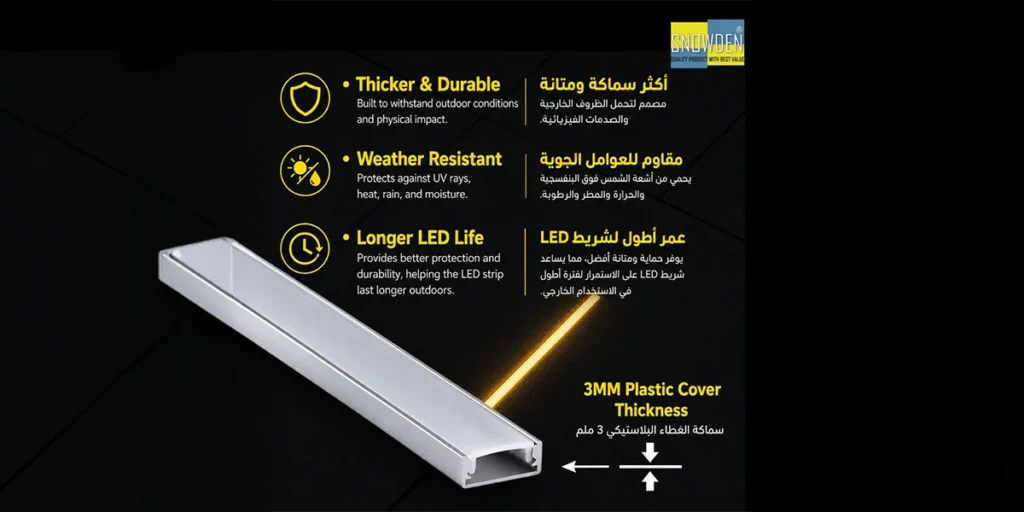
Outdoor LED profiles need to cope with conditions that do not affect many interior installations. Sunlight, rain, dust, temperature changes, and physical exposure can influence performance and appearance. The product should be selected based on the specific conditions of the installation location.
Semi-exposed areas such as terraces, entrances, covered walkways, and external features also require assessment. Exposure can change according to orientation and building design. Reviewing the environment helps specify an appropriate solution.
Assess:
- Degree of weather exposure
- Moisture and dust conditions
- Available installation space
- Expected operating temperature
- Accessibility for maintenance
Creating Architectural Effects With the Right Profile
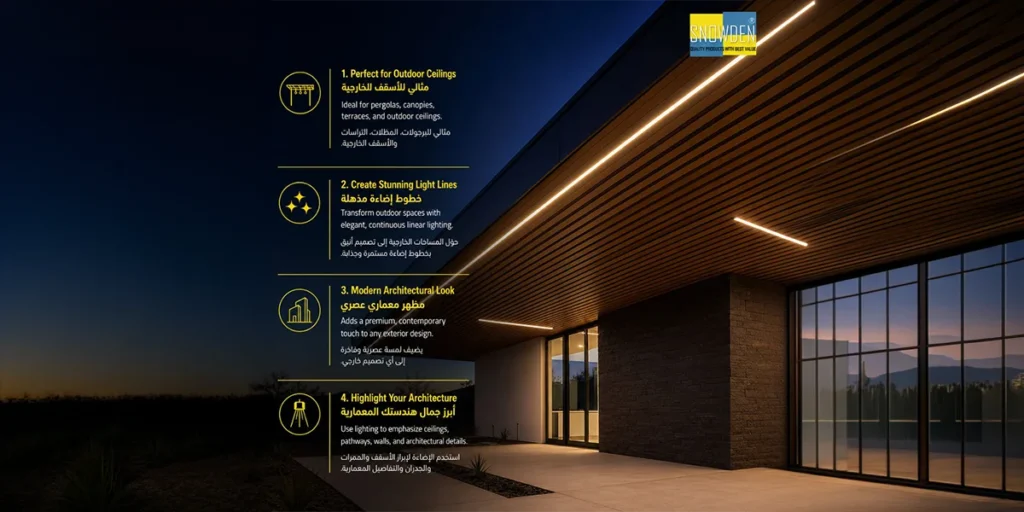
Linear illumination can contribute to architecture when its housing is planned as part of the surface detail. A Shadow gap with LED can create a subtle separation between adjoining surfaces and give a ceiling, wall, or joinery element a floating appearance. The result depends on accurate recess dimensions, positioning, diffusion, and finishing coordination.
The housing should complement the surrounding materials and finishes. A dark finish may disappear within a dark recess, while a contrasting finish can make the element more noticeable. The choice should ultimately reflect the desired aesthetic and architectural design.
LED profiles can be incorporated into furniture and architectural features where conventional luminaires would interrupt visual simplicity. Shelving, wardrobes, counters, niches, wall panels, and displays can benefit from carefully positioned illumination. Dimensions become especially important where space is limited.
Specification and Procurement Considerations
Once the application is defined, procurement should follow the approved specification. An LED profile supplier can provide information on dimensions, finishes, accessories, and configurations. Purchasing decisions should be based on confirmed project requirements, not solely on product availability.
For projects sourcing several construction products together, building material suppliers UAE may offer different ranges of profiles and related components. Comparing technical data, finish, availability, and compatibility can help purchasing teams make informed decisions. This is particularly relevant when the same lighting detail must be repeated throughout a development.
An LED profiles supplier UAE may be considered when project schedules require dependable local availability. Lead times, minimum order quantities, packaging, accessories, and replacement requirements should be established before finalising the order. Clear planning can reduce the risk of receiving incompatible components.
What Should Be Confirmed Before Ordering?
Before ordering, review:
- Profile dimensions and available lengths
- Material and surface finish
- Diffuser type and light distribution
- LED strip dimensions and compatibility
- Mounting clips, connectors, and end caps
- Quantity required, including cutting allowance
- Delivery schedule and replacement availability
This stage is also an opportunity to coordinate with other trades. Ceiling installers, joinery teams, electricians, interior designers, and MEP contractors may share installation responsibilities. Agreeing on dimensions and fixing details early can reduce conflicts.
Maintenance should remain part of the specification. Difficult-to-access profiles can increase the effort required to replace strips or clean diffusers. In high-use areas, practical access can be as important as initial appearance.
Making the Final Selection
The final choice should balance visual requirements with technical practicality. LED profile manufacturer should be assessed based on installation depth, lighting effect, environmental exposure, compatibility, maintenance requirements, and the overall architectural design. A product that looks suitable in a sample may not perform as expected on site.
For projects in the UAE, environmental conditions should be considered alongside the application. Internal spaces may require a different approach from shaded external areas or exposed installations. Reviewing these differences before procurement can help avoid later substitutions.
A well-defined specification improves communication between design and delivery teams. A manufacturer can provide clear information about dimensions, finishes, accessories, and application requirements. Documenting the housing, strip, diffuser, and installation method together can help maintain consistent details.
Conclusion
A well-planned linear lighting system can contribute significantly to the overall character and functionality of a space. LED profiles manufacturer solutions can help achieve a refined finish while supporting smoother installation and consistent results across different areas. Early coordination between design and installation teams can also help ensure that the intended lighting detail is delivered accurately.
For residential and commercial developments, a considered approach can make linear lighting feel like a natural part of the architecture rather than an added feature. Clear specifications, reliable product information, and proper project coordination can support better results from concept through to completion.
For project-specific requirements, Snowden World provides LED profile solutions with product guidance and specification support, helping architects, designers, contractors, and project teams select suitable profiles based on installation conditions, design requirements, and application needs.
Frequently Asked Questions
What should be considered before selecting an LED profiles manufacturer?
Consider the location, available space, LED strip dimensions, diffuser, mounting method, finish, protection, accessories, and maintenance access. These factors should be assessed together so the selected product works as part of the complete lighting system.
Can a profile be used for both decorative and functional lighting?
Yes. Linear systems can support ambient, task, accent, and decorative lighting depending on the strip, diffuser, position, and output. The profile should be selected according to the intended lighting effect and installation detail.
Why is diffuser selection important for linear lighting?
The diffuser influences light distribution and LED point visibility. It can affect glare, uniformity, and the appearance of the illuminated line.