The Role of an Aluminium Profile Manufacturer in Developing Lightweight Structural Components
The aluminium profile manufacturer plays an important role in developing structural components that combine practical strength with reduced weight. As modern engineering projects demand materials that are easier to handle without compromising stability, aluminium profiles have become increasingly useful for frameworks, supports, equipment structures, and engineered assemblies.
The value of these components does not come simply from the metal itself. It depends on how the profile is designed, extruded, finished, and adapted to the requirements of a specific application. A well-developed profile can help engineers reduce unnecessary material, simplify assembly, and create structures that perform reliably over time.
- Why Lightweight Structural Components Matter in Modern Engineering
- What Are the Structural Components Developed by an Aluminium Profile Manufacturer?
- How Profile Geometry Influences Structural Performance
- The Manufacturer's Role in Developing Efficient Structural Profiles
- Reducing Weight Without Creating Unnecessary Weakness
- Supporting Different Structural Applications Through Profile Development
- How Precision Supports Repeatable Structural Production
- Why Design Collaboration Can Improve the Final Component
- Material Efficiency and Long-Term Value
- Choosing a Manufacturing Partner for Structural Development
- The Future of Lightweight Structural Profile Development
- Conclusion
- Frequently Asked Questions
Why Lightweight Structural Components Matter in Modern Engineering
Traditional structural thinking often focuses heavily on adding material to achieve strength. However, excessive weight can create additional challenges during transportation, handling, installation, and maintenance. Lightweight structural components offer a more balanced approach by achieving the required performance without making every part unnecessarily heavy.
This is where aluminium becomes particularly valuable. Its combination of low density, corrosion resistance, formability, and structural capability allows designers to develop components that are practical for both permanent and modular systems. The correct profile geometry can also improve the way forces move through a structure.
The choice of section design can influence:
- The amount of material required for a component
- The overall weight of the finished assembly
- The ease of handling during installation
- The stability of connected components
- The efficiency of repeated production
Rather than treating every structural requirement in the same way, engineers can select or develop profiles according to the loads, dimensions, connection methods, and operating environment involved. This approach supports more efficient design decisions from the beginning.
What Are the Structural Components Developed by an Aluminium Profile Manufacturer?
A manufacturer can develop or produce a wide range of structural components for applications where strength, weight, and assembly efficiency must work together. The exact design depends on the intended use, but these components are often incorporated into larger systems rather than used as isolated products.
Common examples include:
- Support frames for machinery and equipment
- Lightweight platforms and access structures
- Modular framework systems
- Reinforcing members for larger assemblies
- Mounting rails and support sections
- Equipment housings and protective frameworks
- Structural members for transportable systems
The importance of these components lies in their ability to perform a specific role within a complete structure. A profile may provide support, maintain alignment, carry a controlled load, create a connection point, or form part of a modular assembly.
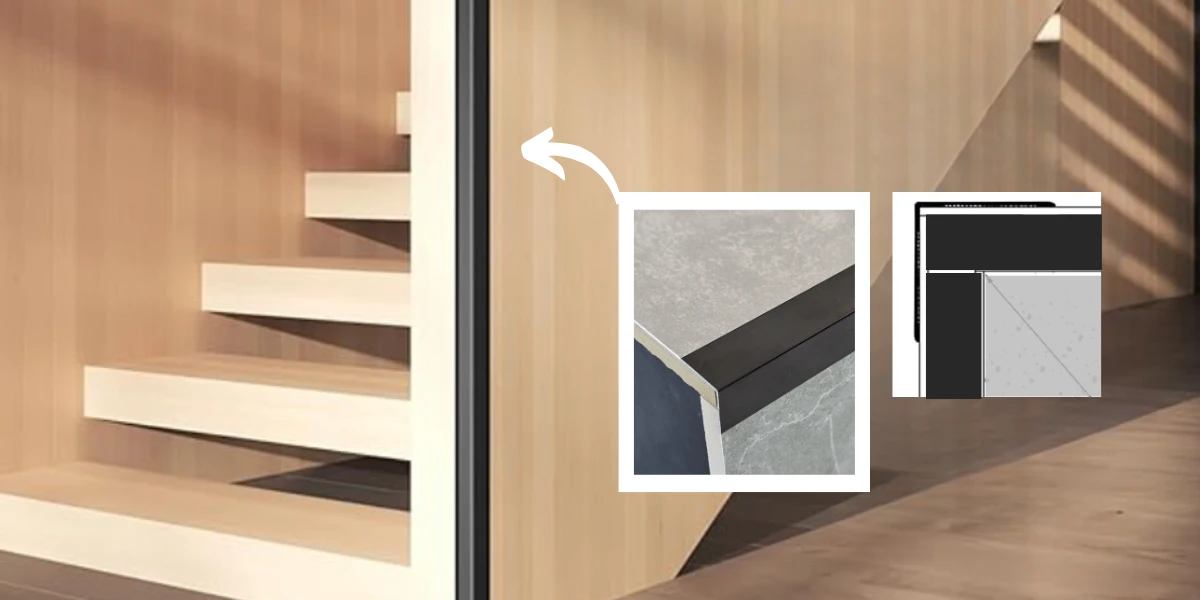
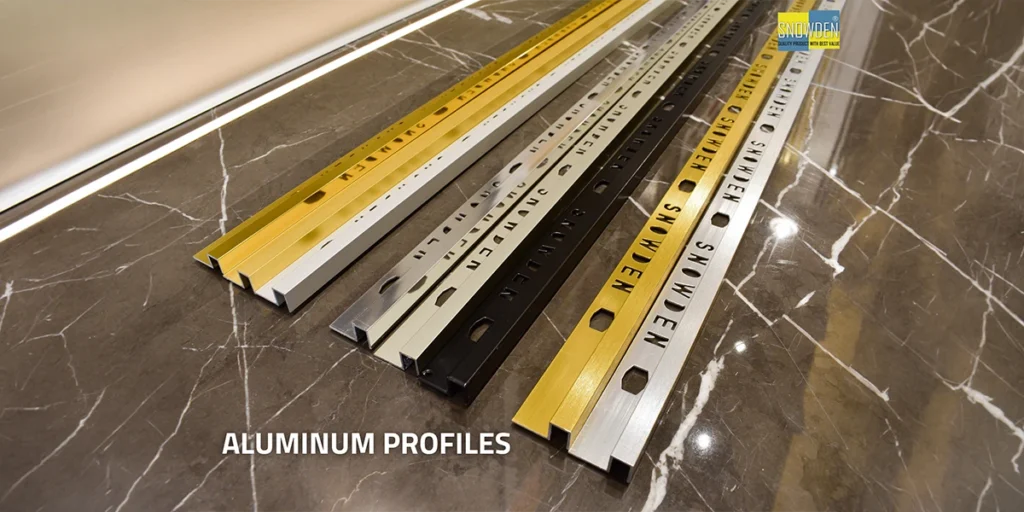
For example, aluminium square profiles can provide a practical enclosed section for framework construction, while channel-based designs may offer useful connection and mounting possibilities. The appropriate choice depends on the structural objective rather than simply the appearance of the profile.
How Profile Geometry Influences Structural Performance
The shape of a profile can be just as important as the material used to produce it. A carefully designed cross-section can improve stiffness, distribute forces more effectively, and reduce unnecessary material in areas where it contributes little to performance.
This is why structural development requires more than selecting a thicker section. Engineers may consider the depth, wall thickness, internal features, connection points, and expected direction of loading before finalising a design.
Different geometries can support different requirements:
- Closed sections can provide useful resistance for framework applications.
- Channel sections can support mounting and connection arrangements.
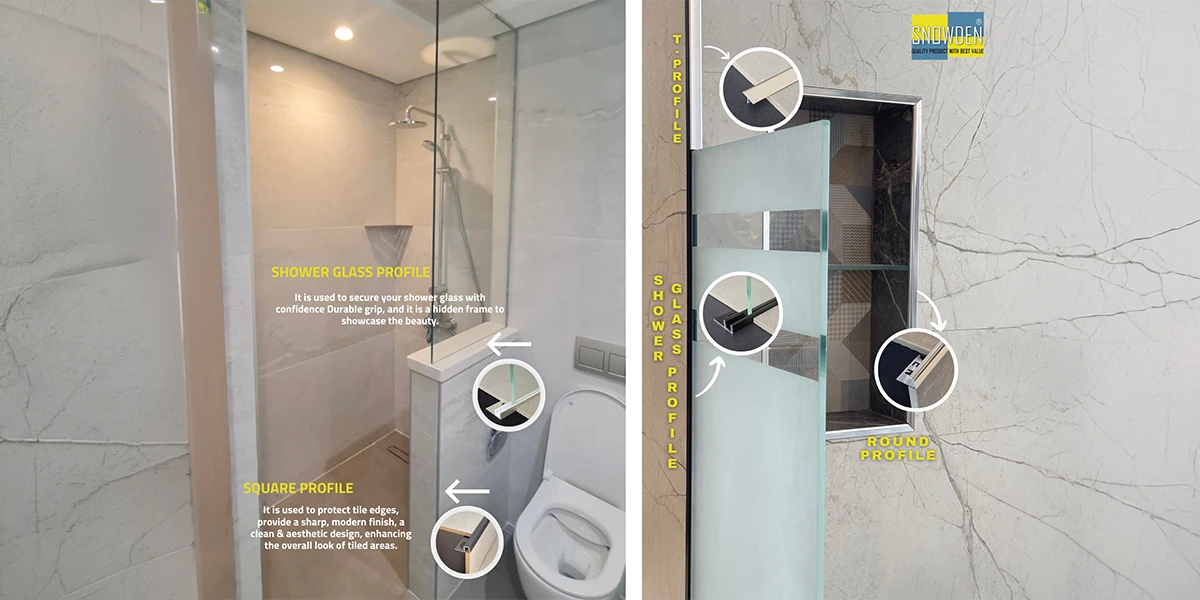
- T-shaped sections can assist with intersecting or supporting components.
- Specialised sections can combine several functions within one component.
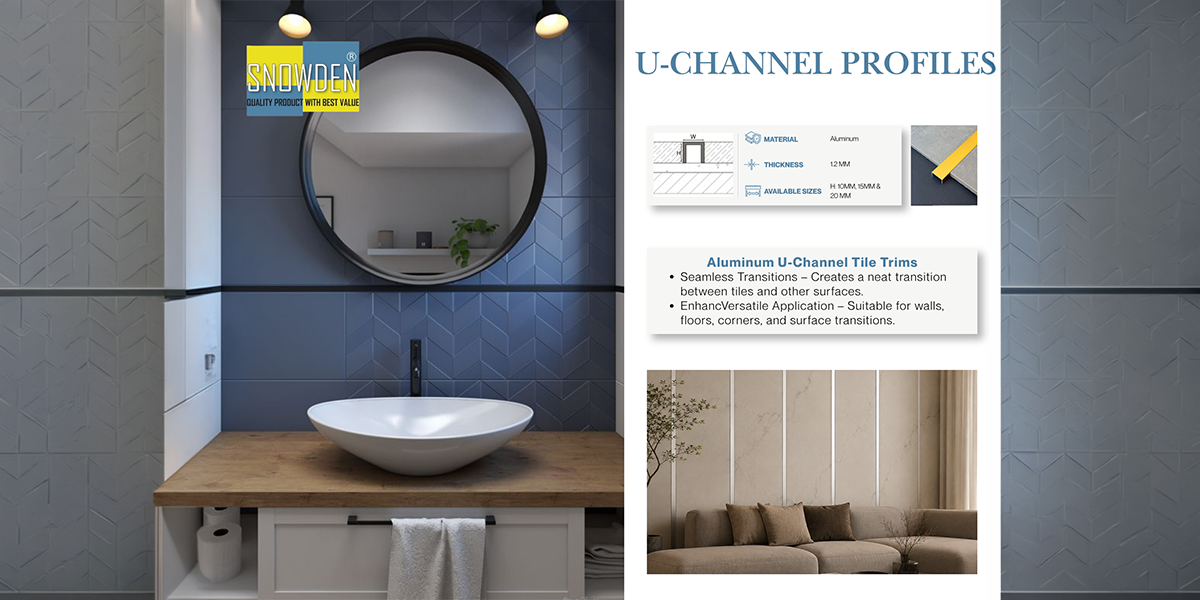
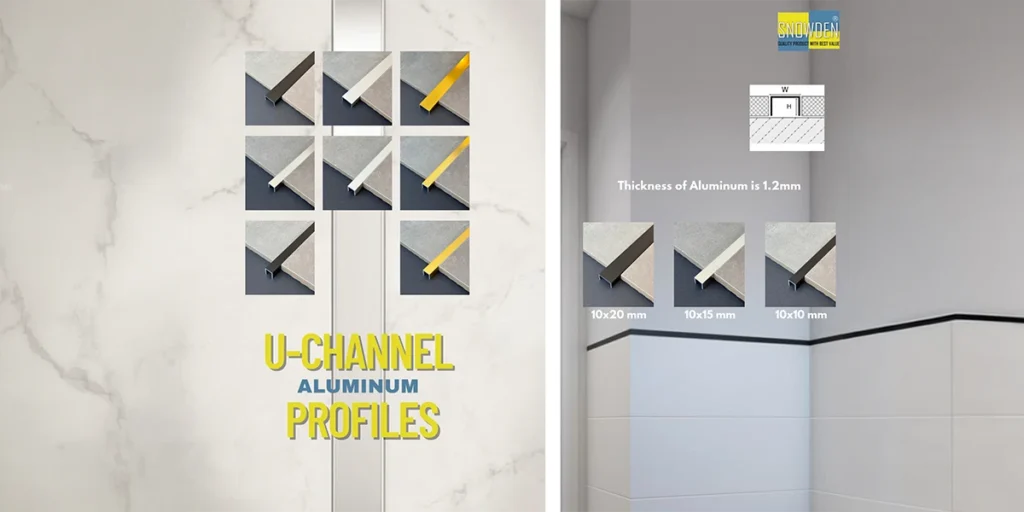
An aluminium u channel may be suitable where a component needs an open section for support, enclosure, or edge integration. In another application, aluminium t profiles may help create intersecting structural arrangements or support modular connections.
The purpose is not to use the most complicated shape possible. Good engineering often involves creating a profile that achieves the required function with a sensible and efficient design.
The Manufacturer’s Role in Developing Efficient Structural Profiles
The role of an aluminium profile manufacturer extends beyond producing a shape from a drawing. A capable manufacturing partner can contribute to the practical development of a component by considering production requirements alongside the intended application.
This may involve reviewing whether a proposed design can be extruded efficiently, identifying areas that could create production difficulties, and assessing whether the profile can be manufactured consistently at the required scale.
Important considerations may include:
- Profile dimensions and dimensional tolerances
- Wall thickness and material distribution
- Die design requirements
- Cutting and finishing requirements
- Production repeatability
- Packaging and handling needs
Technical feedback may also be useful during the development process of a particular design, because an element that appears to fit well on paper may need modifications before becoming feasible to manufacture.
The inclusion of manufacturing considerations at the design stage helps businesses avoid designing products that are overly complex and unnecessary to make or waste materials in their production.
Reducing Weight Without Creating Unnecessary Weakness
Lightweight design should not be confused with simply using less material. Removing material without understanding how a component performs under load can reduce stability and create problems during use.
The better approach is to identify where material is structurally valuable and where it may be reduced through improved geometry. Ribbing, section depth, wall distribution, and shape can all influence the performance of a component.
A specialist Aluminium profiles supplier can support projects by providing sections that are selected according to the requirements of the final application. This is particularly useful where a project requires a balance between manageable weight and dependable structural behaviour.
The objective is to achieve a more efficient component rather than the lightest possible component. A well-designed section should remain suitable for its intended use, withstand expected stresses, and allow practical fabrication and installation.
Supporting Different Structural Applications Through Profile Development
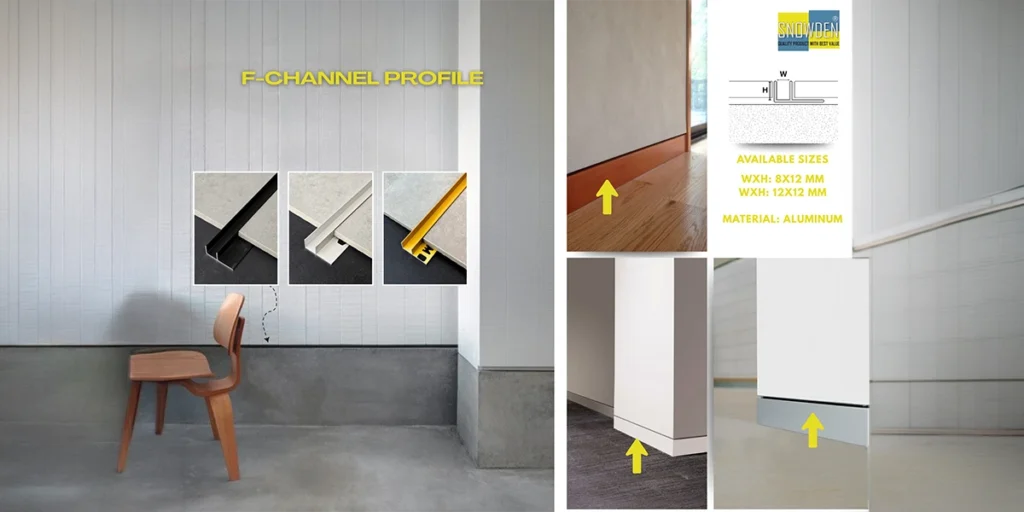
Where there are certain specialised structures, it is also possible to use aluminum F-channel profiles, depending on the need for a certain section type. This suitability will depend on the nature of the structure, the connection process, dimensions needed, and the function that the profile is expected to serve in the structure.
Lightweight aluminium components can be used across many technical environments. Their applications are not limited to one sector because the profile can be designed around different structural requirements.
Potential applications include:
- Industrial equipment frames
- Modular production systems
- Transport-related assemblies
- Renewable energy support structures
- Technical enclosures
- Commercial equipment frameworks
- Lightweight access and support systems
Most of the time, the profile forms a small component of the entire assembly. It works based on its interaction with fasteners, brackets, panels, glass, machines, and other structural components.
For example using aluminium profile with glass, which is applicable in architecture for glazing partitions, facade systems, and contemporary balconies. The aluminium profile plays an important role in providing structural support to the design while the glass serves as a structure itself; therefore, proper dimension and connections have to be made during the design phase.
How Precision Supports Repeatable Structural Production
Structural components often need to be produced repeatedly with consistent dimensions. Small variations between batches can create difficulties when components are designed to fit together as part of a larger system.
Dimensional consistency is therefore important for:
- Accurate assembly
- Reliable connection between components
- Reduced adjustment during installation
- Consistent performance across repeated units
- Better control over manufacturing quality
The producer needs to exercise control over the manufacturing process such that the final product meets the required specifications. This is even more crucial in cases where the part will be integrated into modular designs, whereby there will be interdependence among the various segments.
Surface treatment and profile design can also form part of the wider specification. In applications such as window frames, curtain wall systems, or balcony structures, an aluminium drip line can be incorporated as part of the overall profile arrangement and architectural detailing. The profile finish may also be selected according to environmental exposure, appearance, durability, and maintenance requirements.
Why Design Collaboration Can Improve the Final Component
Structural profile designs that will prove to be the most successful will always come about through clear communication between the designer, engineer, fabricator, and the manufacturer. The manufacturer will know production constraints that may not be obvious in the designing phase, and vice versa.
A productive development process may consider:
- The intended function of the component
- Expected loads and movement
- Assembly and connection methods
- Required production quantities
- Finishing expectations
- Installation conditions
The collaborative approach can help turning the abstract concept into a tangible profile design. It might also serve useful in identifying areas that could be simplified, removed, or optimized for assembly.
For projects requiring regional sourcing, businesses may also evaluate Aluminium profiles supplier UAE options based on their ability to support technical requirements rather than focusing only on product availability. The right manufacturing relationship can influence both the development stage and the consistency of later production.
Material Efficiency and Long-Term Value
Efficient profile development can contribute to better material utilisation. When the cross-section is designed carefully, the manufacturer may be able to produce a component that meets its functional requirements without relying on excessive thickness or unnecessary structural mass.
This can benefit projects through:
- Lower handling requirements
- More efficient transportation
- Easier installation processes
- Reduced material consumption
- Better suitability for modular construction
Additionally, the long-term viability of a profile relies on its appropriateness in relation to its operating conditions. The aluminium profile is useful in situations where longevity, resistance to corrosion, and weight are crucial.
For organisations sourcing aluminium profiles UAE solutions, the most suitable option should therefore be assessed according to the complete application rather than simply choosing a commonly available section.
Choosing a Manufacturing Partner for Structural Development
The right manufacturing company will know that structural profiles are all about consistency and manufacturing skills. The company can have the best idea, but the final product will depend on how well it can manufacture the profile.
When evaluating a manufacturing partner, businesses may consider:
- Experience with technically demanding profile designs
- Ability to interpret engineering drawings
- Manufacturing consistency
- Quality-control procedures
- Production capacity
- Finishing and secondary processing capabilities
The value of aluminium profiles suppliers in UAE will become especially evident if the projects have the need for reliable material coordination and supply. Yet, technical expertise remains the primary consideration, especially in the case of a structural or performance-oriented assembly that uses the profile.
A reliable manufacturing partnership will enable businesses to take steps from development to production without any superfluous obstacles.
The Future of Lightweight Structural Profile Development
The trend of engineering will continue to change; however, the need for lightweight structures will persist. Material efficiency, constructibility, longevity, and performance should not be viewed separately but rather concurrently by the designer.
Further development could include more specific shapes depending on applications, better computer modeling, more automation in manufacturing, and better cooperation between the product designer and extrusion expert.
For businesses seeking aluminium profiles manufacturer UAE capabilities, this changing environment makes technical expertise increasingly important. The strongest solutions will not necessarily be the most complex ones; they will be the profiles that solve a genuine structural requirement in an efficient and manufacturable way.
Conclusion
The creation of lightweight structural parts involves a balance of efficiency, strength, shape, ability to be manufactured, and function. The aluminium profile manufacturer is involved in translating engineering needs to functional profiles that could help in building bigger assemblies.
Aluminium profiles that are properly designed make it easy to manipulate structural systems and increase their efficiency during manufacture. The best results will always be obtained through an appropriate mix of proper designing principles and reliable production techniques.
Snowden World supports businesses with engineered aluminium profile solutions designed for dependable performance, efficient production, and project-specific structural requirements.
Frequently Asked Questions
What does an Aluminium Profile Manufacturer do in structural component development?
The aluminium profile manufacturer designs and produces aluminium profiles as per specific design and fabrication requirements. The process can involve assistance in designing the profile, extruding, processing, cutting, and quality checking.
Can aluminium profiles be used for industrial structural applications?
Yes. Aluminium profiles may be applied in equipment frames, modular constructions, supporting systems, technical assemblies, and other cases where low weight and reliability are required.
Why is profile geometry important in structural design?
The shape of a component affects its ability to transfer loading, resist bending, connect to other components, and use materials. Effective use of profile geometry improves efficiency independent of increasing wall thickness.