Floor Drains for Effective Water Management in Buildings
Floor drains are very important in managing water in areas that are constantly exposed to water flow. These areas include bathrooms, kitchens, balconies, basements, and commercial wash areas. The importance of proper floor drain installation is immense. . Failure to manage water properly can result in stagnation, which may lead to unpleasant odors. The selection of proper drainage systems is not just limited to performance; it is directly related to safety and durability.
- Understanding Wet Area Drainage Requirements
- Types of Drainage Solutions for Wet Areas
- Importance of Quality Materials
- Residential Applications: Bathrooms, Kitchens, and Balconies
- Commercial Spaces: Performance and Compliance
- Integrated Drainage Systems for Modern Flooring
- Role of Floor Sinks in Wet Zones
- Maintenance and Hygiene Considerations
- Choosing the Right Drainage Solution
- Conclusion
- Frequently Asked Questions (FAQs)
Understanding Wet Area Drainage Requirements
Wet areas refer to areas that are often exposed to water flow, cleaning, or moisture accumulation. In residential areas, wet areas include bathrooms, laundry rooms, and terraces. In commercial areas, they include kitchens, food preparation areas, hospitals, malls, and industries. Each of these areas requires effective water drainage to avoid accidents and structural damage.
Drainage design should be effective in removing water from the floor. In commercial areas, drainage systems must be able to handle large amounts of water. They must also be easy to clean. For this reason, proper drainage solutions are essential in commercial areas.
Types of Drainage Solutions for Wet Areas
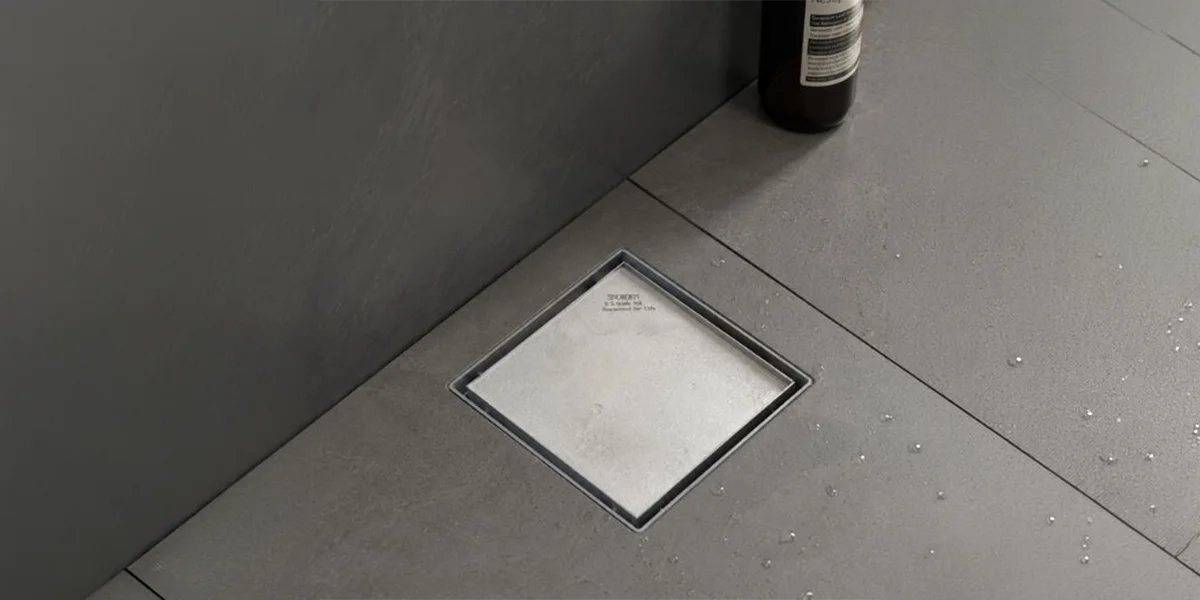
There are different types of floor drains for different areas. For residential areas, square and round designs are common, while commercial areas use linear and heavy-duty options..
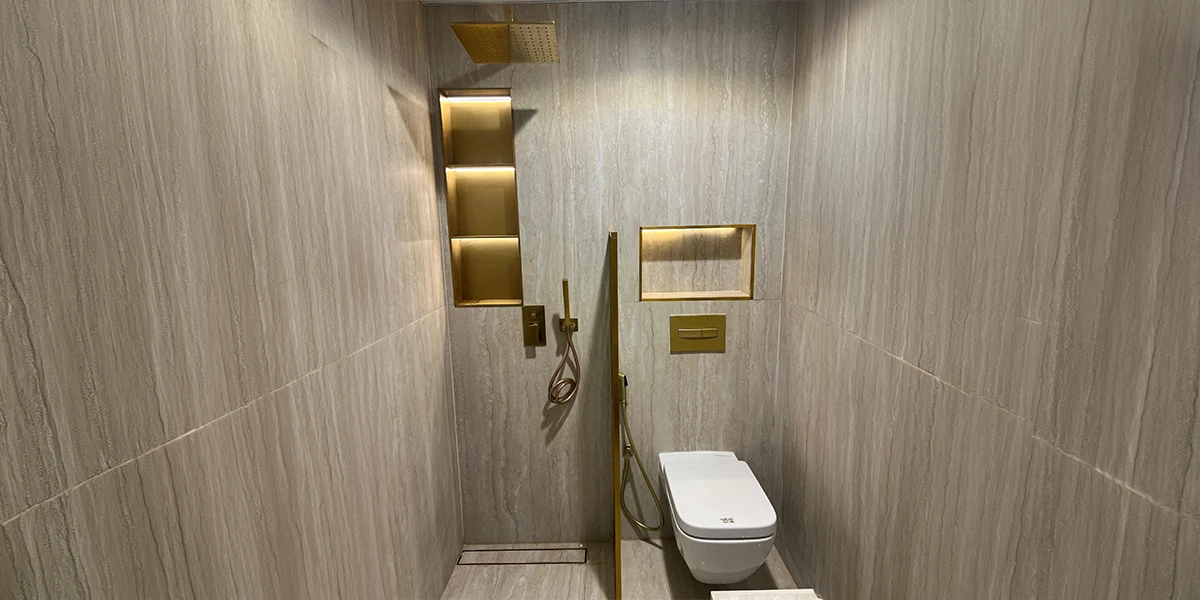
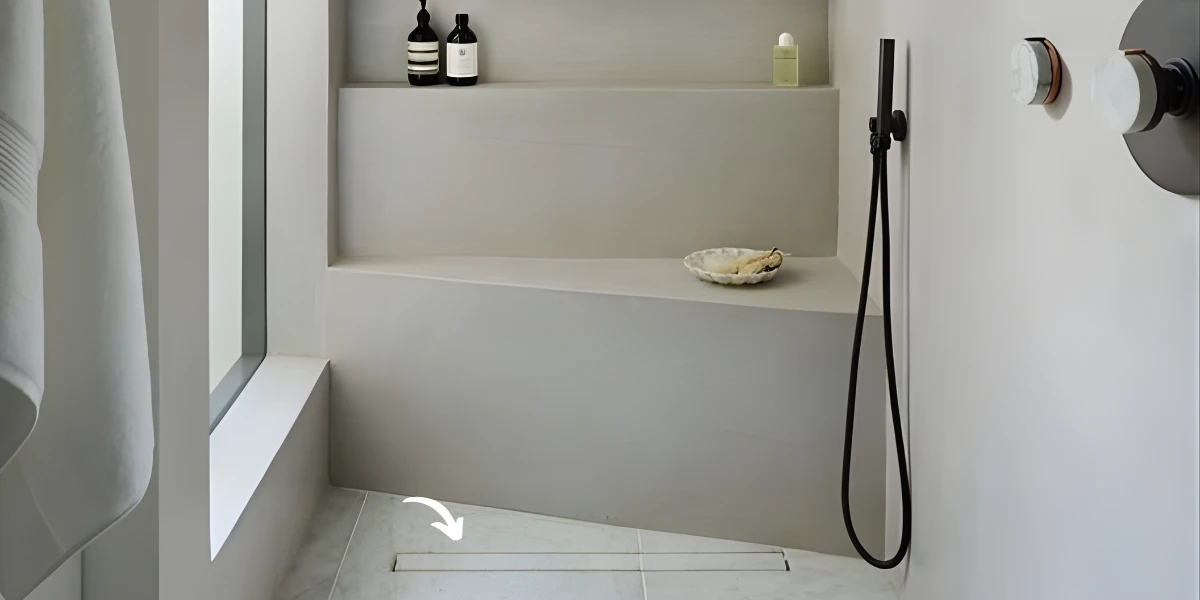
Newly developed drainage systems are integrated with tiles. They are not visible on the floor but are effective in managing water flow. They ensure smooth water movement.
Importance of Quality Materials
Materials used for drainage systems are of utmost importance. These materials include stainless steel, polymers, and others. Among them, stainless steel and polymer options are the most popular due to their resistance to rust, chemicals, and temperature changes.
High-quality floor drains UAE can be installed anywhere since they are able to withstand harsh weather conditions. They are also able to withstand high temperatures. They are installed in residential areas in compliance with the construction standards.
Residential Applications: Bathrooms, Kitchens, and Balconies
Drainage systems play a significant role in maintaining residential areas. In residential areas, they must be able to drain water from the floor and remain free from odors. In bathrooms and kitchens, drainage systems must ensure smooth water flow and prevent unpleasant smells. On balconies, they must be able to drain rainwater efficiently. Properly installed drainage systems in residential areas are effective in protecting them from damage due to seepage.
Commercial Spaces: Performance and Compliance
Commercial floor drains must be installed in commercial wet areas, as they can perform better in these places. Commercial drainage systems can be installed in restaurants, hospitals, and industrial kitchens, where water usage is high. The drainage in these places must be able to withstand harsh chemicals and cleaning agents.
These systems must be installed in commercial wet areas, as they can be integrated efficiently in these places. Safety standards must be met, and proper drainage can be implemented to satisfy these requirements.
Integrated Drainage Systems for Modern Flooring
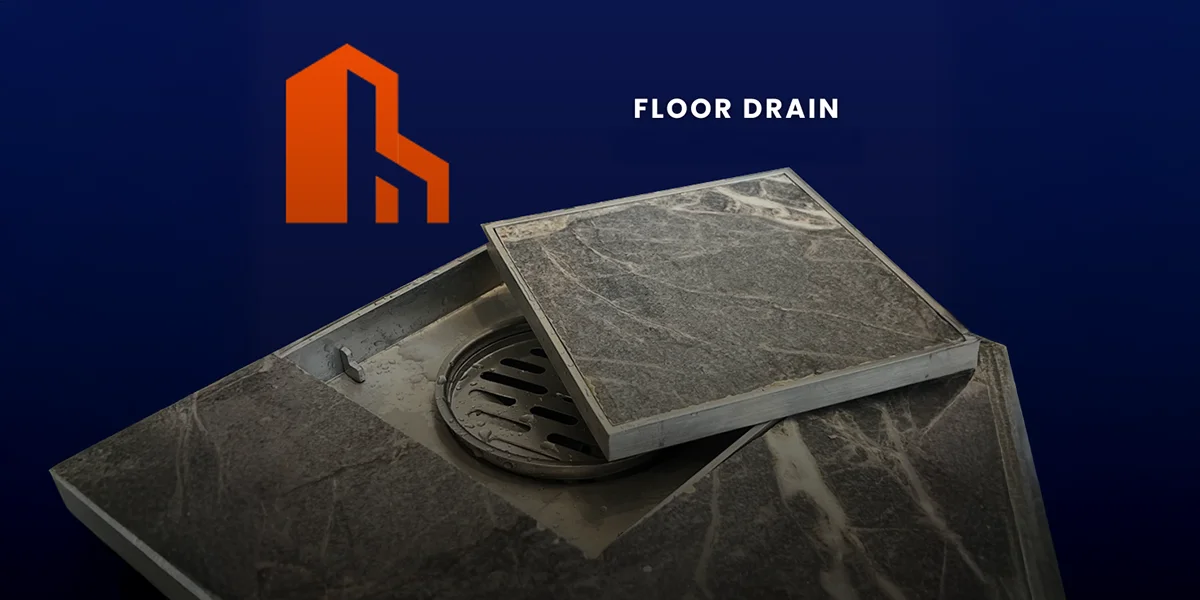
Flooring in modern buildings can be integrated with floor drains efficiently. This kind of floor drain tile system can be installed in modern buildings, as it can be integrated efficiently with the floor layout. The floor tile system can be installed in these places, These systems can be installed in modern buildings, as it can be integrated efficiently in these places. This kind of floor drain system can be installed in commercial wet areas, where surface floor drains cannot be installed efficiently.
Role of Floor Sinks in Wet Zones
In commercial areas such as kitchen spaces and utility rooms, a floor sink acts as an indirect waste receptor. This helps in the management of wastewater generated by equipment without direct connection.
A floor sink can be an advantage in areas such as food handling spaces and healthcare facilities. In these areas, regulations on hygiene are stringent.
Maintenance and Hygiene Considerations
A drainage system, no matter how effective, will eventually require maintenance. Scheduled floor drain cleaning helps in the prevention of clogging, removal of unpleasant smells, and efficient system functioning.
Simple measures such as regular removal of waste matter and checking the water seals can extend the life of a drainage system.
Choosing the Right Drainage Solution
A drainage system has to be selected according to specific needs. In a home, it may be a matter of aesthetics, but in a commercial area, it has to be a matter of strength.Proper planning helps in ensuring that floor drains will be able to support safety, flooring investments, and building performance.
Consulting drainage specifications during the planning stage will save money in future alterations.Well-planned drainage systems promote safety, protect flooring investments, and increase the performance of buildings.
Conclusion
Effective drainage systems are required for areas with high humidity levels in both residential and commercial settings. Properly designed floor drainage systems increase safety, hygiene, and durability while reducing potential problems that may arise in the future.
Frequently Asked Questions (FAQs)
What is the importance of proper drainage systems in areas with high humidity?
Proper drainage systems increase safety and hygiene while reducing potential problems that may arise in the future.
Are commercial drainage systems different from residential drainage systems?
Yes, commercial drainage systems are designed to handle more water volume compared to residential systems.
How often should drainage systems be cleaned?
Regular cleaning depends on usage, but routine inspection and maintenance help prevent blockages and odors.