

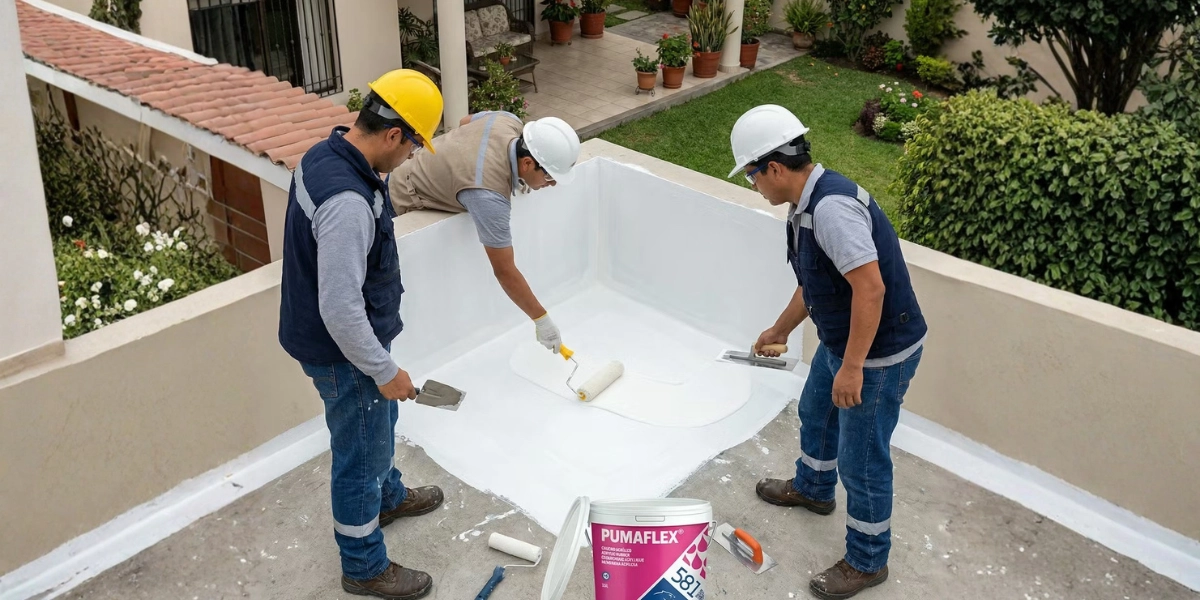
Waterproofing Materials : Complete Guide for Long-Lasting Protection
Waterproofing materials are an essential component of contemporary building construction as they provide protection to buildings against the damaging action of water, which, in turn, results in the degradation of buildings with the passage of time. Water infiltration is considered to be the most basic and primary cause of the failure of buildings, leading to cracks in buildings, rusting, and other adverse actions like the formation of fungus.
Moisture protection is even more important for regions with hot climates, humidity, and rainfall throughout different seasons. Now, constructors and architecture experts know that it is necessary and not a choice that should be made for a structure’s longevity and hence waterproofing is a necessity for everyone.
Why Waterproofing Is Essential in Construction
Water damage is, in most cases, gradual, and before it is noted, the damage is already significant enough to compromise the structure. Using the right Waterproofing Materials prevents water seepage.
Among the most important reasons for waterproofing include:
Key reasons waterproofing is essential include:
1. Structural Strength
Water weakens concrete and causes steel reinforcement to corrode, reducing the building’s load-bearing capacity, especially when proper water proofing foundation systems are not applied.
2. Mold and Mildew Prevention
Persistent dampness creates unhealthy indoor environments that affect air quality and health.
3. Cost Efficiency
Preventive waterproofing costs far less than repairing water-damaged walls, slabs, or foundations.
4. Increased Property Value
Well-protected buildings hold value better and are easily attractive to buyers or tenants.
5. Improved Comfort
This enhances working and living environments since wetness gives off unpleasant odors and stains..
Areas That Commonly Need Waterproofing
Not all parts of a building are equally affected by water. This is why Modern Waterproofing Materials are categorized according to their level of exposure.
Common waterproofing areas include:
- Roof slabs and terraces
- Basements and foundations
- Bathrooms and toilets
- Kitchens and utility areas
- Swimming pools and water tanks
- Balconies and podium decks
- External walls and façades
- Parking areas and ramps
A customized waterproofing system should be used in each of these regions in order to work properly.
Popular Types of Waterproofing Systems
The construction industry employs several different techniques of waterproofing, depending on the purpose, material, and environment. Modern Waterproofing Materials have been formulated to cater to these needs.
1. Cementitious Waterproofing
It is simple to apply and widely utilized in wet environments like bathrooms and toilets and water tanks. It has good binding properties with concrete.
2. Liquid-Applied Membranes
These membranes form a seamless, elastic cloth with aPerfectFOR roofing of complicated forms, such as roofs.
3. Bituminous Coatings
This type of structural system is often employed in the construction of foundations and other underground buildings, and it displays high resistance to the forces of water and soil pressure.
4. Sheet Membrane Systems
These kinds of sheets provide a physical barrier to the water invasion carried out by the potential leak sources. Additionally, the waterproofing process of the walls can be carried out with
5. Polyurethane Systems
Such products are highly flexible. They can be used on exposed surfaces where either movement or cracking could be a possibility.
How to Select the Right Waterproofing Solution
Good Waterproofing Materials minimize leakages, and sometimes even their usage is more important than the material.
Consider the following factors:
1. Application Area
Bathrooms require different approaches than roofs and foundations.
2.Environmental Exposure
Outdoor surfaces need UV-resistant, weather-resistant, and outdoor systems.
3. Surface Compatibility
Concrete, masonry, and metal surfaces require compatible products for proper adhesion.
4. Flexibility Requirements
Regions with structural movements demand membranes with high adaptability to crack bridging.
5. Expected Service Life
It’s recommended that long-term projects make use of long-lasting and proven systems and that this be done by a qualified water proofing specialist.
Benefits of Using Quality Waterproofing Systems
The application of the Right Waterproofing Materials ensures several advantages [A], in addition to being
- Longer building lifespan
- Reduced maintenance costs
- Better thermal performance
- Improved indoor hygiene
- Compliance with construction standards
- Enhanced safety and durability
These benefits make waterproofing a smart investment for any type of project.
Common Waterproofing Mistakes to Avoid
Even the most sophisticated systems can fail if improperly used. Proper application of Waterproofing Materials is required in order to overcome typical problems.
1. Poor Surface Preparation
Dust, cracks, and moisture reduce adhesion and performance.
2. Incorrect Product Choice
Using one product for all areas may lead to early failure.
3. Insufficient Thickness
Thin layers do not provide effective moisture resistance.
4. Ignoring Joints and Corners
These areas are sensitive towards the requirements they need.
5. Rushing the Curing Process
A system with inadequate curing will have low durability.
Waterproofing Applications Across Industries
Investing in advanced waterproofing foundation adds value across multiple sectors:
- Residential homes and villas
- Commercial offices and towers
- Hotels and hospitality projects
- Industrial plants and warehouses
- Hospitals and healthcare facilities
- Shopping malls and public buildings
Each sector depends on waterproofing to maintain safety, hygiene, and operational efficiency.
Future Trends in Waterproofing Technology
Using certified Waterproofing Materials ensures compatibility with new construction trends such as:
- Eco-friendly and low-VOC products
- Faster curing technologies
- Higher crack-bridging capacity
- Improved resistance to extreme temperatures
- Longer service life with minimal maintenance
These innovations support sustainable and high-performance buildings.
Conclusion
Waterproofing Materials have a significant function in shielding buildings against damage due to the presence of water. Water, although a necessary component in every household, is a major source of harm to buildings if it enters and causes penetration of water into the structure. This is a major aspect to consider, as they have to be utilized in buildings they provide them with a safe and healthy environment.
Frequently Asked Questions (FAQs)
Why is waterproofing important for buildings?
It prevents water damage, protects structural strength, and reduces long-term maintenance costs.
Can waterproofing be applied to existing structures?
Yes, waterproofing can be added during renovation to stop leaks and control moisture issues.
Which areas need waterproofing the most?
Roofs, basements, bathrooms, and external walls require the highest level of protection.

