What Should Contractors Check in Tile Glue Manufacturer Guidelines?
Tile glue manufacturer guidance gives contractors a reliable starting point when preparing adhesive for a tile installation. Mixing should follow the product’s stated requirements rather than a routine used for every project. Checking the material, application requirements and preparation instructions first can help the team establish a consistent process.
Before the first batch is prepared, contractors should confirm the adhesive, tile and substrate requirements. They should also inspect the packaging, check storage conditions and review the technical information supplied with the product. This preliminary review helps identify potential issues before the material enters the mixing process.
- What Should Contractors Check First?
- How Contractors Follow the Mixing Guidelines?
- Which Tile Requirements Should Contractors Verify?
- Which Substrate Requirements Should Be Checked?
- Which Site Conditions Should Contractors Check?
- What Should Contractors Check Before Application?
- Conclusion
- Frequently Asked Questions
What Should Contractors Check First?
Verify the product specification
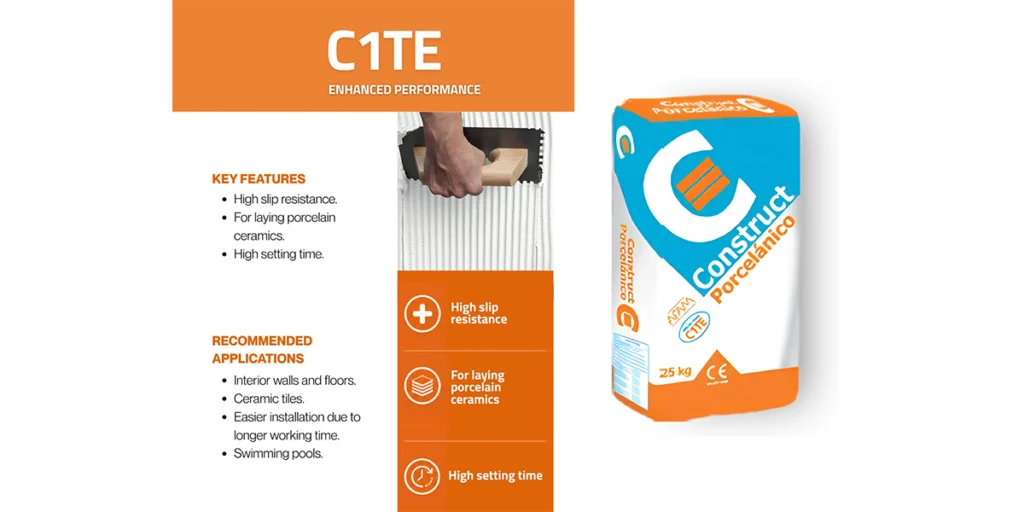
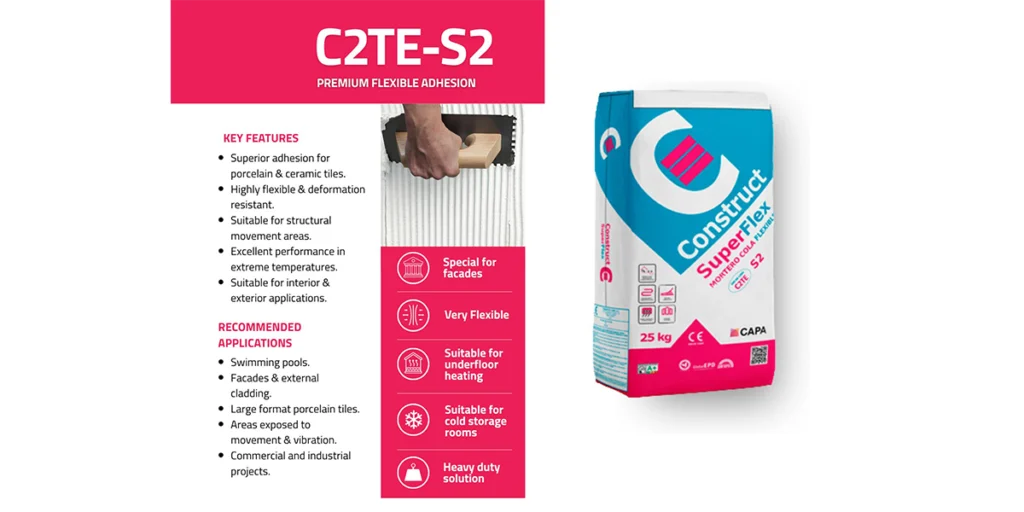
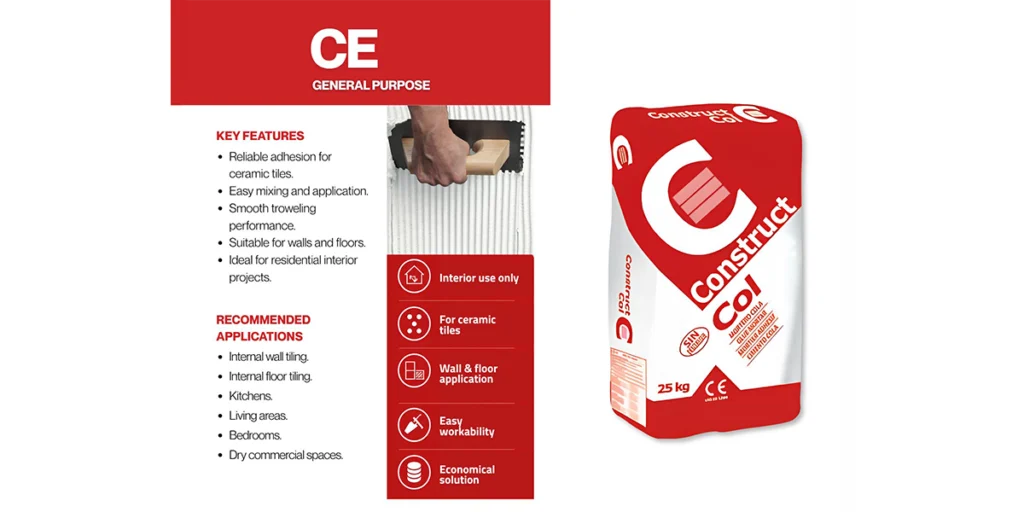
A tile glue supplier may provide several products designed for different surfaces and installation conditions. Contractors should confirm the exact product selected for the project before opening the package. The product description should correspond with the tile, substrate and application specified for the work.
The technical information provided by tile adhesive manufacturers should be reviewed before preparation begins. These instructions can specify the required water ratio, mixing procedure, equipment, resting period and working time. Contractors should follow the information provided for the particular product instead of applying a method used for another adhesive.
Inspect the packaging
The package should be checked for tears, moisture exposure or other visible damage before the powder is used. Any sign of improper handling should be investigated before the material enters the mixing process.
A quick inspection can cover:
- Product name and identification
- Batch or production reference
- Package condition
- Storage instructions
- Shelf-life information
- Application requirements
This simple check can help prevent unsuitable material from being used in the installation.
Review storage conditions
Adhesive powder should be stored according to the product requirements and protected from moisture. Contractors should consider how the material has been kept before deciding whether it is ready for use.
The tile glue manufacturer UAE guidelines should be available to the installation team so that storage and preparation requirements can be checked against the specific product. Material that has exceeded its stated usable period should also be reviewed before use.
How Contractors Follow the Mixing Guidelines?
Measure the water accurately
Water should be measured using suitable equipment rather than estimated by eye. Even small variations can change the consistency of a batch and make the material behave differently during application.
The required water quantity should be taken directly from the product instructions. Tile glue manufacturer guidance should be followed if the mixture does not achieve the expected consistency, rather than making an immediate adjustment based only on appearance.
Follow the correct sequence
The preparation sequence should follow the stated procedure. Adding powder and water in an uncontrolled manner can make it harder to achieve the intended consistency.
A practical mixing routine can include:
- Measure the required quantity of clean water.
- Pour the water into a suitable mixing container.
- Add the powder gradually.
- Mix with the recommended equipment.
- Allow the mixture to rest if required.
- Remix according to the product instructions.
Using the same sequence for each batch makes the preparation easier to control across the installation area.
Choose suitable mixing equipment
The mixer and paddle should be appropriate for the product and batch quantity. Equipment that is unsuitable for the job can make it difficult to produce a uniform mixture.
Mixing tools should also be clean before preparation. Material left from a previous batch can enter the fresh adhesive and affect its consistency.
Which Tile Requirements Should Contractors Verify?
Identify the tile material
The tile material should be confirmed before the adhesive is prepared. Ceramic tile adhesive may be intended for ceramic tiles, but contractors should still verify its compatibility with the particular tile and substrate being installed.
Tile size, weight and surface characteristics can also affect the installation method. These details should be checked against the product guidelines instead of selecting an adhesive based only on the tile name.
Check wall applications
The surface being tiled should be identified before preparation. Vertical installations can require different handling considerations because the adhesive needs to support accurate tile positioning.
For wall applications, wall tile adhesive should be assessed against the tile, substrate and specified installation conditions. Contractors should check the manufacturer’s stated application range rather than assume that a product suitable for one surface will automatically suit another.
Consider floor applications
Floor installations can involve different loading and substrate conditions. When selecting floor tile adhesive, contractors should review the product requirements against the actual floor construction and intended use.
Wet areas require the same level of attention. For example, tile glue for bathroom floors should be checked for compatibility with the selected tile, substrate and conditions within the bathroom.
Which Substrate Requirements Should Be Checked?
Confirm surface preparation
The substrate should be ready before adhesive mixing begins. Contractors should check the manufacturer’s requirements for surface preparation and address dust, loose material and other contaminants according to the project requirements.
They should also confirm that any required preparation work has been completed across the planned installation area. This prevents prepared adhesive from sitting unused while the surface is being made ready.
Assess surface condition
The team should examine the substrate for noticeable differences that could affect the planned installation. Changes in surface material, level or condition may require additional preparation before adhesive application.
The tile glue manufacturer in UAE technical information can help contractors determine whether the selected product is appropriate for the substrate and intended application. Any uncertainty should be resolved before mixing rather than after the adhesive has been prepared.
Prepare the work area
The installation area should contain the tools and materials needed for the next stage of work. Tiles, application equipment and mixing tools should be positioned so that the prepared adhesive can be used without unnecessary delays.
A work-area check can include:
- Prepared substrate
- Correct tiles available
- Clean mixing container
- Measuring equipment
- Application tools
- Suitable working space
Having these items ready allows the mixing and installation stages to follow one another efficiently.
Which Site Conditions Should Contractors Check?
Review temperature
The temperature of the work area should be checked against the conditions stated in the product documentation. Contractors should not assume that the same conditions apply throughout a project.
Indoor rooms, enclosed spaces and exposed areas can have different working environments. The actual installation location should therefore be assessed before the batch is prepared.
Consider working time
The adhesive should be mixed in quantities that the installation team can use within the specified working period. Preparing a large batch without considering the team’s application speed can result in material being left unused.
Batch size can be planned according to the number of installers, work area and expected application pace. This keeps preparation aligned with the progress of the installation.
Check supplier information when needed
When a project involves different adhesive requirements, tile glue suppliers UAE can be a source of product information during material selection. Contractors should still verify the technical requirements for the specific product before preparation.
Supplier information can be useful when confirming product availability, application categories or documentation. The final mixing procedure should always follow the instructions applicable to the selected adhesive.
What Should Contractors Check Before Application?
Examine the prepared mixture
Once the required mixing and resting process is complete, the adhesive should be checked against the product instructions. The installer can look for obvious lumps, uneven texture or a consistency that differs from the specified condition.
If the mixture appears unusual, the preparation process should be reviewed before application continues. Contractors should avoid making unmeasured changes simply to make the adhesive appear easier to spread.
Confirm the working period
The prepared material should be used within the working period specified for the product. Contractors should consider the time already spent mixing and resting when deciding how much material can be applied.
Contractors can refer to a tile glue supplier UAE for clarification on product-specific working conditions or technical documentation. This can help the installation team plan preparation around the actual application schedule.
Complete a final readiness check
Before spreading the adhesive, the installer should confirm that the tile, substrate and required tools are ready. The prepared material should also correspond with the intended application area.
A final check can cover:
- Correct adhesive prepared.
- Surface ready for application.
- Tiles positioned nearby.
- Application tools available.
- Site conditions suitable.
- Mixed adhesive within its stated working period.
This final step connects the preparation process directly to the installation task.
Conclusion
Before mixing tile adhesive, contractors should verify the product, inspect its condition and follow the specified preparation method. They should also assess the tile, substrate and site environment before deciding how much material to prepare. These checks make the process more organised and reduce the need for adjustments during installation.
Information from a tile glue manufacturer gives the installation team a product-specific reference instead of leaving preparation to assumption or habit. Accurate measurement, suitable equipment and a final readiness check can help create a more controlled transition from mixing to application.
For professional tile adhesive and installation solutions, Snowden World provides products suited to a range of construction requirements.
Frequently Asked Questions
What should contractors check in tile glue manufacturer guidelines?
Contractors should check the product instructions, water ratio, mixing method, equipment requirements, working time and application conditions. They should also confirm that the selected adhesive matches the intended tile and substrate.
How should contractors measure water for adhesive mixing?
Water should be measured with suitable equipment according to the specified product ratio. Estimating the quantity by eye can lead to variations between batches.
What should contractors do if the adhesive consistency appears unusual?
They should first check the measured quantities and mixing procedure against the product instructions. Extra water or powder should not be added unless the product guidance specifically permits the adjustment.